Unlock the true potential of your galaxy gaming computer with this ultimate guide. Discover essential settings optimization strategies to boost FPS and eliminate frustrating lag or stuttering. Learn about critical driver updates, network best practices for low ping, and hardware tips ensuring seamless gameplay across all genres. Whether you are battling in a high-stakes FPS, strategizing in a MOBA, exploring vast RPG worlds, or diving into intense Battle Royale action, this resource provides actionable insights. We cover everything from beginner tweaks to advanced configurations, helping both casual and pro players enhance their experience. Stay informed about the latest 2026 tech trends impacting your rig's capabilities. This comprehensive breakdown helps you maintain peak performance and dominate every virtual frontier. Get ready for an unparalleled gaming journey.
Welcome, fellow gamers, to a condensed FAQ for your galaxy gaming computer in 2026! The gaming world evolves rapidly, and keeping your rig optimized is crucial. This guide provides quick answers to some of the most pressing questions, updated for the latest hardware and software trends. Whether you are a beginner looking for basic tips or a seasoned player seeking quick fixes, we aim to deliver concise, actionable insights. Dive in to ensure your system performs at its peak. Our goal is to enhance your gaming journey. Get ready for smoother, more immersive experiences.
Beginner Setup & Essential Care
What are the fundamental components for a new galaxy gaming computer?
A new galaxy gaming computer requires a powerful CPU, a dedicated GPU, and at least 16GB of fast DDR5 RAM. A speedy NVMe SSD for the operating system and games, a robust power supply, and effective cooling are also essential. These components form the core for high-performance gaming in 2026, ensuring responsiveness and smooth frame rates across diverse titles.
How often should I update drivers on my galaxy gaming computer?
It is best practice to update your graphics drivers every 1-3 months, or immediately when a new major game releases that explicitly recommends a specific driver version. Keep your chipset and other critical drivers updated every 6 months. Regular driver updates ensure compatibility, security, and often provide performance enhancements and bug fixes for your galaxy gaming computer.
Myth vs Reality: Do pre-built gaming PCs compromise on quality?
Myth vs Reality: The myth is all pre-built gaming PCs compromise on quality. In reality, while some budget pre-builds might use cheaper components, many reputable brands offer excellent quality with optimized parts and strong warranties. They are convenient and reliable for most gamers. Research the specific model and brand reputation to ensure you get a high-quality galaxy gaming computer that meets your performance expectations.
Performance & Troubleshooting
How can I boost FPS on my galaxy gaming computer without upgrading hardware?
To boost FPS without new hardware, update your graphics drivers, close all unnecessary background applications, and set Windows power options to 'High Performance.' Adjust in-game graphic settings like shadows and anti-aliasing to lower values. Ensure your system has good airflow and isn't overheating. These free tweaks significantly improve your galaxy gaming computer's performance.
What causes lag and stuttering, and how do I fix it on my galaxy gaming computer?
Lag and stuttering often stem from outdated drivers, network issues (high ping), CPU/GPU thermal throttling, or insufficient RAM/VRAM. Fixes include updating drivers, using an Ethernet cable, monitoring temperatures, closing background apps, and lowering graphic settings. Ensure your storage drive has ample free space. A systematic approach to troubleshooting helps identify and resolve the root cause for your galaxy gaming computer.
Myth vs Reality: Does disabling antivirus software improve gaming FPS?
Myth vs Reality: The myth is disabling antivirus software always significantly boosts gaming FPS. In reality, modern antivirus programs are highly optimized and have a minimal impact on performance, usually less than 1-2%. Disabling it leaves your galaxy gaming computer vulnerable to malware. It's better to keep it active or use a lightweight gaming mode if offered, protecting your system without major performance compromise. Security should not be sacrificed for negligible gains.
Still have questions?
Still have questions about your galaxy gaming computer? The gaming world is vast, and we're here to help! If you didn't find your specific query here, feel free to explore our other detailed guides or join our community discussions. We are always happy to assist fellow gamers in optimizing their experience!
Most Popular Related Guides:
- Complete Guide to Building Your First Gaming PC in 2026
- Advanced Network Troubleshooting for Pro Gamers
Ever wondered why your galaxy gaming computer sometimes feels like it is traveling at light speed then suddenly crashes back to earth? Are you constantly asking how to get more frames per second, or why your ping keeps spiking during crucial ranked matches? We totally get it. Even with cutting-edge 2026 hardware, performance bottlenecks can turn an epic gaming session into a frustrating slideshow. You have invested in a powerful machine; now let us make sure it lives up to its interstellar potential. No gamer wants lag or stuttering to ruin their perfect headshot or pivotal strategic move. This guide helps you fine-tune your rig.
Unleashing Your Galaxy Gaming Computer's Full Power
Essential Settings Optimization for Blazing FPS
Achieving consistently high FPS is foundational for any serious gamer. Your display needs fresh frames to render fluid motion, preventing visual tear and input delay. Start by diving deep into your game's graphics settings and understanding each option's impact. Reducing shadow quality and anti-aliasing often provides significant gains. Experiment with texture quality; sometimes a slight drop does not hurt visuals much but frees up valuable VRAM. Disabling unnecessary background applications is also crucial. These hidden processes consume precious CPU cycles and memory. Always prioritize performance over ultra-fidelity if smooth gameplay is your ultimate goal. The goal is finding that perfect balance for your system.
Conquering Lag and Stuttering Fixes
Lag and stuttering are the arch-nemeses of immersive gameplay. A key culprit is often outdated or corrupted graphics drivers. Ensuring your NVIDIA or AMD drivers are current is a non-negotiable step for system stability. Another common issue stems from inefficient power management settings. Always set your Windows power plan to "High Performance" to prevent your CPU from throttling. For persistent stuttering, check your storage drive health. An aging HDD or a nearly full SSD can introduce performance hitches. Consider a clean operating system reinstall if all else fails. Sometimes a fresh start is truly the best solution for deep-seated issues. Your system deserves a clean slate.
Mastering Your Network for Low Ping
Ping, the measure of your connection's latency, is critical for online responsiveness. A high ping means delays between your actions and the server's response. First, always prefer a wired Ethernet connection over Wi-Fi when possible. Wireless signals are inherently less stable and more prone to interference. Close any bandwidth-hogging applications like streaming services or large downloads during gaming sessions. QOS (Quality of Service) settings on your router can prioritize gaming traffic over other devices. Consider upgrading your internet plan if your base speeds are consistently low. A robust network setup means victory and seamless online interactions for players.
Driver Management and System Health
Your galaxy gaming computer relies heavily on its drivers to communicate effectively with hardware components. Beyond graphics drivers, ensure your chipset drivers, audio drivers, and network adapter drivers are all up to date. Using driver update software can streamline this process, but always download directly from official manufacturer websites first. Regularly cleaning dust from your PC's internals, especially fans and heatsinks, prevents thermal throttling. Overheating components automatically reduce their performance to avoid damage. Monitoring temperatures with tools like HWMonitor is a smart habit for any gamer. Proactive maintenance extends component lifespan and maintains optimal performance. Stay vigilant with your system checks.
Genre-Specific Optimization: From FPS to MOBA and Beyond
Different game genres demand different performance priorities from your galaxy gaming computer. For fast-paced FPS titles like Valorant or Apex Legends, raw FPS and minimal input lag are king. Disable V-Sync if you have a high refresh rate monitor and optimize for frame rate over graphical fidelity. In demanding RPGs like Starfield or Cyberpunk 2077, visual immersion is often paramount. You might accept slightly lower FPS for richer textures and longer draw distances. MOBA games such as League of Legends or Dota 2 benefit from stable FPS and rock-solid network stability, focusing on competitive responsiveness. Battle Royale games like Fortnite require a balance. Indie titles are often less demanding. Strategy games need robust processing. Understand your game to tailor settings. Adapt your approach for each experience.
Advanced Tweaks and Pro Strategies
For those looking to push their galaxy gaming computer further, explore advanced settings. Overclocking your CPU and GPU can yield significant performance boosts, but proceed with caution and proper cooling. Custom fan curves ensure your components stay cool under intense loads, preventing thermal throttling. Utilizing tools like MSI Afterburner allows granular control over your GPU. Monitor system metrics like CPU usage, GPU utilization, and RAM usage in real-time. Identify potential bottlenecks and address them directly. Even small tweaks can accumulate into substantial gains. Researching specific game engine optimizations can provide targeted improvements. Every edge helps in competitive play. Embrace the technical side of gaming.
Common Mistakes to Avoid with Your Gaming Rig
Many gamers inadvertently hinder their system's performance. Forgetting to update drivers is a classic error, leading to instability and reduced FPS. Running too many applications in the background is another common pitfall, hogging precious resources. Neglecting physical maintenance, like cleaning dust, invites overheating and throttling. Overclocking without adequate cooling risks hardware damage. Using a slow or fragmented storage drive for games significantly impacts load times and can cause stuttering. Not understanding game settings and blindly setting everything to 'Ultra' is also a mistake. Avoid these common pitfalls for a smoother experience. Learning from these mistakes improves your setup. Your galaxy gaming computer deserves better.
Beginner / Core Concepts
1. Q: What is FPS and why is it important for my galaxy gaming computer?A: I get why this confuses so many people, especially when you're just starting out! FPS, or Frames Per Second, indicates how many individual images your computer displays on screen each second. Think of it like a flipbook; more frames create a smoother, more fluid animation. For gaming, higher FPS translates to incredibly smooth visuals, significantly better responsiveness, and a truly immersive experience. Low FPS, however, can make games feel choppy or like playing in slow motion, which nobody wants. It's truly fundamental to an enjoyable gaming session. You've got this!
2. Q: My games feel slow or choppy sometimes. What's the very first thing I should check?
A: This one used to trip me up too, so don't worry! The absolute first thing to check is your graphics drivers. They act as the essential link between your operating system and your graphics card. Outdated drivers often cause clunky performance. Visit NVIDIA's or AMD's official website, locate your specific card, and download the latest drivers available. A quick system reboot after installation frequently works wonders, resolving many performance woes. It's a simple, yet highly effective fix that many overlook. Give it a shot, you'll likely notice a significant improvement! Try this tomorrow and let me know how it goes.
3. Q: Is Wi-Fi okay for online gaming, or should I use an Ethernet cable for my galaxy gaming computer?
A: Ah, the age-old debate! While Wi-Fi technology has certainly improved, for any serious online gaming, you'll genuinely benefit from an Ethernet cable. Wi-Fi signals can be unpredictable, vulnerable to interference from other devices, walls, or even your microwave, leading to higher ping and inconsistent connections – disastrous in competitive play. An Ethernet connection provides a direct, stable, and much faster link to your router, dramatically reducing ping and packet loss. It's a minor change with a profound impact on your competitive edge and overall online experience. Trust me, the cable is worth it! You've got this!
4. Q: What does "ping" mean and how does it affect my multiplayer games?
A: Ping represents your connection's latency, essentially measuring the time it takes for a data packet to travel from your galaxy gaming computer to the game server and back. It's quantified in milliseconds (ms). A high ping, for example 100ms, introduces a noticeable delay between your in-game actions and the server's response. In fast-paced games, this delay can be critical, determining success or failure in crucial moments. For a smooth, highly responsive multiplayer experience, you want your ping as low as possible. Understanding ping helps you effectively troubleshoot network-related issues. Keep an eye on that number!
Intermediate / Practical & Production
5. Q: How can I optimize in-game settings without sacrificing too much visual quality on my galaxy gaming computer?A: This is where the art of tweaking really shines! It's all about finding that perfect balance. Start by adjusting settings with a significant performance impact but minimal visual difference. Think shadow quality, anti-aliasing (especially above 1080p), and ambient occlusion. Often, moving these from "Ultra" to "High" or even "Medium" won't degrade visuals noticeably but will yield a substantial FPS boost. Resolution scale is another powerful option; a slight reduction can free up valuable GPU resources. Don't hesitate to experiment, changing one setting at a time to observe its specific effect. You'll quickly discover what visually matters most to you while maximizing frame rates. You've got this!
6. Q: My galaxy gaming computer sometimes freezes or stutters during intense moments. What's usually the cause?
A: That's incredibly frustrating, I know! Often, this indicates your CPU or GPU reaching their thermal limits and throttling, or insufficient RAM/VRAM. First, use software like HWMonitor or MSI Afterburner to monitor your CPU and GPU temperatures while gaming. If they're consistently hitting 85-90 degrees Celsius, overheating is the likely culprit, requiring better cooling or undervolting. Another common reason is insufficient RAM (under 16GB) or your GPU's VRAM being maxed out by high-resolution textures. Close background apps to free up RAM. If VRAM is suspected, lower texture settings. Understanding your hardware limits is key. Keep digging, you'll solve it!
7. Q: Should I update my Windows OS regularly, or can it negatively impact gaming performance on my galaxy gaming computer?
A: This is a great question because it's not always straightforward! Generally, yes, keeping your Windows OS updated is important for critical security patches and often includes performance improvements for gaming, such as new DirectX versions. However, I completely understand the concern; occasionally, a new Windows update can introduce temporary bugs or driver conflicts that impact performance. My advice is to update, but perhaps not immediately on release day. Wait a week or so, check gaming forums for any widespread issues, then proceed. Always create a system restore point before a major OS update. Balance security with stability carefully. You've got this!
8. Q: What role do SSDs play in gaming performance compared to traditional HDDs for my galaxy gaming computer?
A: Oh, SSDs are a genuine game-changer, truly! While an SSD won't directly boost your FPS once you're actively playing a game (that's primarily GPU/CPU territory), they dramatically reduce load times. Consider the time it takes to boot your OS, load complex game levels, or fast-travel in a massive open-world RPG; an SSD makes these experiences lightning-fast. For competitive titles, quicker loading means you're in the match sooner. They also aid in texture streaming in modern games, mitigating stuttering caused by slow data retrieval. If your primary drive or game storage is still an HDD, an SSD upgrade offers one of the best quality-of-life improvements for your galaxy gaming computer. It's a noticeable, daily difference!
9. Q: How do background applications affect my galaxy gaming computer, and how can I manage them?
A: Background applications are silent resource hogs, often operating without our full awareness! Things like web browsers with numerous tabs, streaming services, cloud storage sync clients (OneDrive, Dropbox), or even certain antivirus software can consume valuable CPU cycles, RAM, and network bandwidth. This directly impacts your game's access to those vital resources, leading to lower FPS or increased ping. To manage them, open Task Manager (Ctrl+Shift+Esc), navigate to the "Processes" tab, and close anything you absolutely don't need while gaming. You can also disable unnecessary startup programs in the "Startup" tab. It's a quick, effective way to optimize your system. Make it a routine before launching your favorite game. You've got this!
10. Q: Should I use game booster software or are they mostly snake oil for my galaxy gaming computer?
A: This is a classic debate, and I understand the appeal! In my experience, for a modern, properly maintained galaxy gaming computer, most "game booster" software is largely snake oil. What they claim to do – close background processes, optimize settings – you can generally accomplish more effectively and safely manually via Windows Task Manager and your game's own settings. Some might offer marginal improvements on very old or severely resource-constrained systems, but often they introduce their own overhead or even instability. It's better to understand and manually optimize your system rather than rely on automated tools that might just add clutter. Focus on solid fundamentals; they're always more reliable. You've got this!
Advanced / Research & Frontier 2026
11. Q: What are the key considerations for upgrading my galaxy gaming computer in 2026, especially with new AI-driven upscaling technologies?A: This is where things get truly exciting in 2026! When planning an upgrade, prioritize GPUs with robust AI cores, like NVIDIA's upcoming 50-series or AMD's RDNA 5, because AI-driven upscaling (DLSS 4, FSR 4, Intel XeSS 2.0) is becoming even more central to performance. These technologies deliver near-native image quality at significantly higher framerates by leveraging dedicated AI hardware. Therefore, a powerful GPU with strong AI capabilities is paramount. Also, consider the latest CPU advancements, such as new Zen 6 and Intel Arrow Lake refresh CPUs, which are excellent for minimizing bottlenecks. Don't forget faster DDR5 RAM (likely DDR5-8000+ by 2026) and PCIe 5.0/6.0 NVMe drives for future-proofing your storage. Prioritize components excelling in both raw power and AI integration. You've got this!
12. Q: How will cloud gaming services and local processing continue to interact by 2026 for enthusiast galaxy gaming computer users?
A: This interaction is fascinating, truly a frontier model scenario! By 2026, cloud gaming services like Xbox Cloud Gaming or GeForce NOW will continue to improve, offering incredible accessibility on lower-spec hardware or mobile devices. However, for enthusiast galaxy gaming computer users, local processing will still be supreme for zero-latency competitive play, highest fidelity graphics, and extensive modding. The synergy might emerge in hybrid models: cloud for casual exploration or trying new titles, and local processing for dedicated competitive sessions or graphically intensive single-player experiences where every frame and pixel matters. Low-latency edge computing could also bridge the gap, bringing cloud servers closer to users. It's a spectrum of options, not an either/or. Keep an eye on new network protocols!
13. Q: What emerging cooling technologies should I consider for a high-performance galaxy gaming computer in 2026, especially for overclocking?
A: This is a vital area, especially as components generate more heat! In 2026, beyond advanced AIO liquid coolers, we're seeing more mature direct-die cooling solutions and early consumer-grade sub-ambient cooling systems (like Peltier coolers) becoming more accessible. For serious extreme overclocking, consider custom loop setups with larger radiators and high-performance pumps. Even air coolers are evolving with more widespread vapor chamber technology. For cases, prioritize excellent airflow pathways and positive pressure configurations. The goal is maximally efficient heat dissipation. While phase-change cooling remains largely lab-based, breakthroughs are always imminent. Keeping those high-end components frosty is absolutely crucial. You've got this!
14. Q: How are new Llama 4 reasoning models and other AI advancements impacting game development and potentially my galaxy gaming computer's performance?
A: This is a massive area, and the impact of models like Llama 4 reasoning is truly profound! On the development side, AI is increasingly used for procedural content generation, crafting smarter NPCs with more dynamic decision-making, and even optimizing game code itself. For your galaxy gaming computer, this means games might become more dynamic and visually complex without necessarily demanding raw exponential hardware power, particularly if AI optimizes asset streaming or rendering paths in real-time. Reasoning models could also power hyper-realistic physics or environmental interactions. However, rendering these AI-generated complexities will still require powerful GPUs equipped with dedicated AI accelerators. Your rig's efficiency in handling these AI workloads will become increasingly important. It's a fascinating future for gaming! You've got this!
15. Q: What are the most significant security vulnerabilities or best practices for maintaining a secure galaxy gaming computer in 2026?
A: Security is always paramount, and in 2026, with greater interconnectedness, it's even more critical! Major threats include sophisticated phishing attacks targeting gaming accounts, ransomware encrypting your game library, and exploits in third-party gaming software or mods. Best practices involve using strong, unique passwords with two-factor authentication (2FA) on all gaming platforms. Keep your OS, antivirus, and all game clients updated to patch known vulnerabilities. Exercise extreme caution with unofficial mods or software downloads. Utilize a robust firewall and consider a VPN, especially on public Wi-Fi. Regularly back up your game saves and essential data. A secure galaxy gaming computer protects your investment and your digital identity. Stay vigilant, friend! You've got this!
Quick 2026 Human-Friendly Cheat-Sheet for This Topic
- Always update your graphics drivers first; it's often the easiest and biggest FPS boost for your galaxy gaming computer.
- Use an Ethernet cable for online gaming to slash your ping and prevent frustrating lag spikes.
- Clean out dust from your PC regularly to keep temperatures low and prevent performance throttling.
- Close unnecessary background apps before gaming to free up precious CPU and RAM resources.
- Tweak in-game settings smart: lower shadows and anti-aliasing for more FPS without ruining visuals.
- Invest in an SSD if you haven't already; load times will become a distant, slow memory.
- For 2026, consider GPUs with strong AI cores for future-proofed upscaling tech like DLSS 4.
Optimized settings for maximum FPS, effective lag and stuttering fixes, crucial driver management, network latency reduction for better ping, genre-specific performance tips for FPS MOBA RPG Battle Royale, and essential hardware maintenance for peak galaxy gaming computer efficiency.
35


PC Gaming Demands 2026 Is Your Rig Ready For Next Gen Games A Sleek Futuristic Gaming Pc Setup With Vibrant Rgb Lighting Showcasing High Performance Component . Recapping Gaming Tech At CES 2026 Recapping Gaming Tech At Ces 2026 2026 02 17 734940 . I Turned A Galaxy S26 Ultra Into A Gaming PC YouTube . Best RGB Gaming Setup Ideas For 2026 Gaming PC Guru 50917 . Lenovo S CES 2026 Concept Laptops A Rollable OLED Gaming Beast And A Lenovo CES 2026 Rollable Laptop Concepts 20260107 103129

MSI CES 2026 Prestige Family 3840x2160 Scaled . I Caught A Glimpse Of The Holographic Future In This Wild Asus ROG 1.fit Lim.size . The Best Asus Gaming Laptops 2026 GamesRadar . Everything ASUS ROG Announced At CES 2026 Gaming Laptops OLED Gaming Desktop . The Perfect Starfield PC Exists And It S This Custom Galaxy Rig Starfield Gaming Pc Custom Galaxy Box

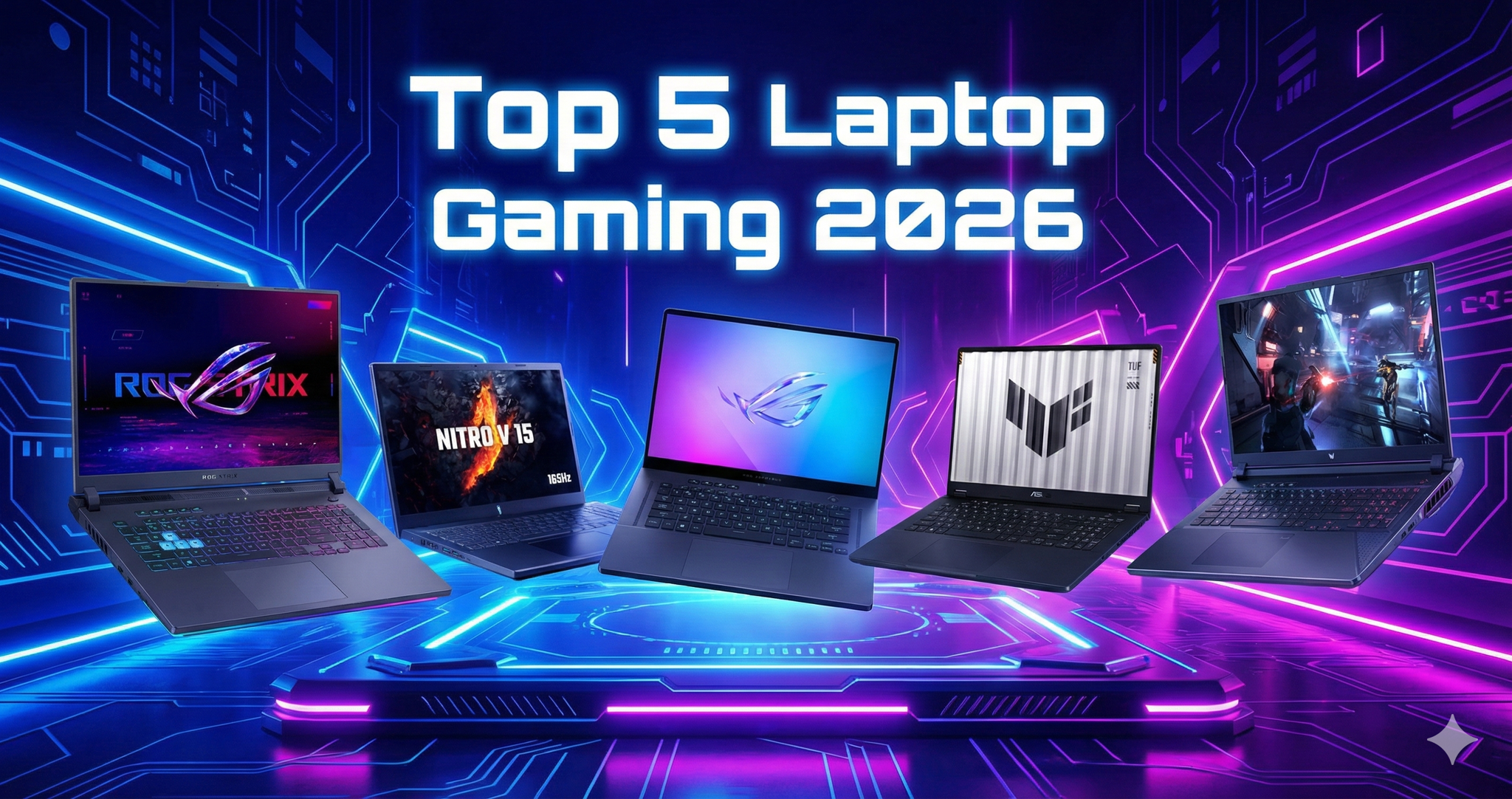


Most Premium Gaming Laptops From Acer In 2026 Acer Corner Most Premium Gaming Laptops From Acer In 2026 . Best Gaming PC Builds For 2026 Best Gaming PC Builds For 2026.webp. Top 5 Laptop Gaming Ng Mua Nh T 2026 K Nguy N AI PC RTX 50 Series Gemini Generated Image . Samsung Mulai Uji Beta Gaming Hub Hari Ini Gamer Galaxy Bakal Dapat Samsung Mulai Uji Beta Gaming Hub Hari Ini Gamer Galaxy 1536x1086 . Samsung Launches World S First 6K 1040Hz Gaming Monitors 2026 Sammy Odyssey 2026 Gaming Monitors



Xiaomi Curved Gaming Monitor G34WQi 2026 Debuta En Australia Con 180 Hz Curved Gaming Monitor G34WQi 2026 Portada . Samsung Launches Galaxy S26 Series And Galaxy Buds 4 At Unpacked 2026 Samsung Launches Galaxy S26 Series And Galaxy Buds 4 At Unpacked 2026. LG UltraGear Evo Gaming Monitor Lineup Announced Ahead Of CES 2026 27 . Galaxy PC Computers Gaming Video Game Room Design Gaming Room . Samsung Outlines It S CES 2026 Focus On Displays Gaming Hardware Photo 2026 01 02 20 12 06


Galaxy S26 Vs Galaxy S25 Which Should You Buy In 2026 L Intro 1784229010 . Best Prebuilt Gaming PC 2026 For Esports AAA And Streaming Gamer Org A Sleek Youtube Thumbnail Design With Bo Z5fskbADS9 PZy23Rqs Zg NA9Dn G . Best Budget Gaming Setup In 2026 Full Guide For Beginners Budget Friendly Gaming Setup In 2026 . Samsung Leader Dei Monitor Gaming Da 7 Anni E Aggiorna Galaxy Con Samsung Monitor Gaming Galaxy 2026 1024x683 . Galaxy Gaming To Participate In Indian Gaming Tradeshow Convention Galaxy IGA26



Samsung Galaxy Unpacked 2026 Set For February 25 Galaxy S26 Series Samsung Galaxy Unpacked 2026 Set For February 25 Galaxy S26 Series Launch Confirmed Pre Now Live Before You Take 1140x570 . Galaxy Gaming Showcases Reimagined MONOPOLY And YAHTZEE At ICE 2026 AGB Galaxy Gaming . Best Gaming Computers In 2026 9meters Hpaq Kbcyhk 1536x1059 . Samsung Galaxy Unpacked 2026 Is The Samsung Galaxy S26 Ultra Worth Rs1 Samsung Galaxy Unpacked 2026 Is The Samsung Galaxy S26 Ultra Worth Rs1 2026 01 13 09 24 13 . Everybody S Going To Have To Increase Prices Says ASUS Ahead Of CES 2026 ASUS ROG G1000 Gaming Desktop PC 2026 F




The Best Gaming PCs For 2026 Velocity Micro Raptor Z55a 2025 Gmrn . ASUS Republic Of Gamers Gi I Thi U D I S N Ph M Laptop Gaming T Ph Laptop Gaming Rog Ces 2026 001 . R15 000 Gaming PC Guide 2026 R15 000 Gaming Pc Sa 2026 Banner.webp. Pc Gaming Archive For January 2026 Page 6 The Verge 258167 Asus ROG G1000 Gaming Desktop AniMe Holo CES 2026 0001 . Check Out The Latest ROG Gaming Gear Revealed At CES 2026