Are you finding it challenging to balance your passion for gaming with real-world responsibilities like work family and personal well-being Many adult gamers averaging 10 plus hours a week across mobile PC and console platforms struggle with managing their time effectively particularly with the rise of engaging social and cross-play experiences This comprehensive guide on how to end gaming addiction provides actionable strategies and practical insights for regaining control without sacrificing the joy of gaming Discover proven methods to set healthy boundaries identify triggers and cultivate a balanced lifestyle that honors your love for virtual worlds while prioritizing your real-life commitments We'll explore expert-backed tips for managing screen time fostering alternative hobbies and building a supportive community to help you navigate this common modern challenge This resource is designed for the 87 percent of US gamers who regularly engage in digital entertainment but seek a more harmonious integration into their busy lives Learn how to transform your gaming habits and ensure your digital adventures enhance rather than detract from your overall happiness and productivity
What are the signs of gaming addiction in adults? How do I set limits on my gaming time? What non-gaming hobbies can I try? Can I still be friends with gamers if I reduce my play? When should I get professional help for gaming habits?What are the key indicators that my gaming habit has become an addiction?
If your gaming consistently leads to neglecting work, family, or personal hygiene, if you feel an intense urge to game even when you know you shouldn't, or if you continue playing despite negative consequences like financial strain or sleep deprivation, these are strong indicators. The defining factor is a loss of control over your gaming behavior, where it overrides other life priorities.
How can I effectively communicate my efforts to reduce gaming to my gaming friends without alienating them?
Honesty and transparency are key. Tell your friends you're working on balancing your screen time for personal well-being, not because you don't value them. Suggest alternative ways to connect, like voice chat without gaming, or meeting up for non-gaming activities. True friends will understand and support your journey.
Are there specific genres of games that are more prone to causing addiction, especially for busy adults?
Games with endless progression systems, strong competitive elements (esports, ranked play), daily rewards, and deeply integrated social components (MMOs, certain mobile games, social sandbox titles) tend to be more engaging and potentially harder to step away from. These often leverage psychological principles to encourage continuous play, making it harder for busy adults to manage their time.
What budget-friendly strategies exist for a gamer trying to reduce impulse purchases and manage in-game spending?
Implement a strict monthly gaming budget, track all gaming-related expenses, and uninstall free-to-play games that encourage microtransactions. Prioritize full-price games with clear endpoints over 'games as a service' models. Consider selling old games or hardware to fund new, more purposeful purchases, and always question if an in-game item genuinely enhances your experience or just fuels a collection habit.
How can I replace the stress relief and escapism gaming provides with healthier alternatives?
Actively seek out alternative activities that provide similar benefits. For stress relief, try mindfulness, exercise, or creative hobbies. For escapism, immerse yourself in books, movies, or nature. The goal is to find real-world outlets that offer a sense of accomplishment, relaxation, or mental break without the negative impacts of excessive gaming, aiding in how to end gaming addiction.
What impact does mobile gaming's accessibility have on efforts to curb gaming addiction in 2026?
Mobile gaming's omnipresence makes it uniquely challenging. With a device always in hand, the barrier to entry for a quick session is minimal, making relapse easier. In 2026, enhanced AR features and even more sophisticated monetization keep users hooked. Actively disabling notifications, moving tempting apps off your home screen, and using screen time limits are crucial for managing this accessibility.
What are the long-term benefits of successfully addressing and ending gaming addiction for an adult?
Successfully addressing gaming addiction leads to significant improvements in mental and physical health, stronger real-life relationships, increased productivity at work, better financial stability, and a greater sense of overall well-being. It frees up time and mental energy to pursue other passions, deepen connections, and achieve personal goals that were previously overshadowed by excessive gaming.
Hey fellow gamers! Ever felt that thrill of a clutch win or the deep satisfaction of leveling up, only to glance at the clock and realize hours have vanished? You're not alone. For the average US gamer, around 87 percent of us regularly dive into digital worlds, often spending 10 or more hours a week across our PCs, consoles, and increasingly, mobile devices. We love the relaxation, the social connections on platforms like Discord, the skill-building, and sometimes, the sheer escape. But for many of us, especially those juggling jobs, families, and everyday responsibilities, that passion can sometimes tip into a feeling of being out of control. It’s a common pain point: how do we balance the incredible fun and community gaming offers with our real-life commitments?
This isn't about shaming anyone for enjoying their hobby. Instead, this guide is for the busy adult gamer looking for practical, no-nonsense strategies on how to end gaming addiction or at least regain a healthy balance. We're here to help you identify the signs, understand the "why," and equip you with actionable steps to reclaim your time, energy, and focus without completely abandoning the joy of gaming. By looking at current trends like the rise of social gaming and the pressures of staying current with new releases, we'll offer a roadmap to a more fulfilling, balanced life where gaming enhances, rather than dictates, your existence.
What exactly is gaming addiction and how do I know if I have it?
Gaming addiction, officially recognized by the World Health Organization as "Gaming Disorder," isn't just about playing a lot. It's characterized by a pattern of gaming behavior ("digital or video-gaming") marked by impaired control over gaming, increasing priority given to gaming over other life interests and daily activities, and continuation or escalation of gaming despite the occurrence of negative consequences. For busy adults, this often looks like consistently neglecting work or family duties, sacrificing sleep, withdrawing from real-life social interactions, or spending beyond one's means on in-game purchases and new titles, all while feeling unable to stop or cut back despite wanting to. If gaming feels like a compulsion rather than a choice, and it's negatively impacting your life, it might be time to assess your habits.
Why is it so hard for adult gamers to cut back or quit?
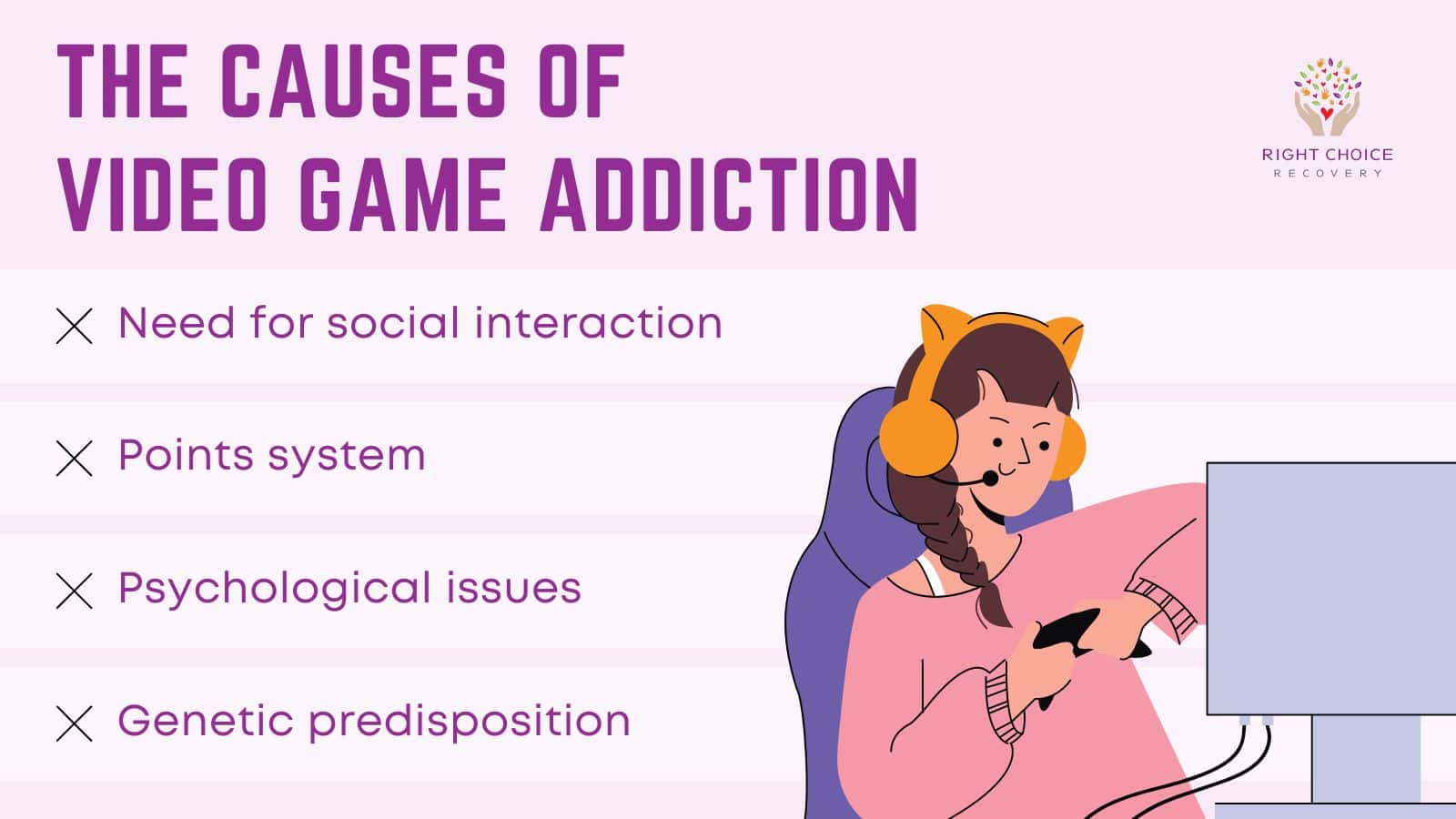
For adults, the struggle to end gaming addiction is multifaceted. Firstly, gaming often serves as a primary stress reliever after a long day of work or family demands. It offers a structured environment for achievement, social connection, and an escape from real-world pressures. Many games today are designed with sophisticated psychological hooks, including daily rewards, competitive ladders, and persistent online worlds (MMOs, social games like Among Us or Fortnite, mobile titles with gacha mechanics) that encourage continuous engagement. Furthermore, friends and community are often built around gaming, making the thought of stepping away feel like losing vital social ties. The convenience of mobile gaming means a potential distraction is always in your pocket, making it incredibly difficult to truly disconnect. The idea of "missing out" on current trends or friend activities is a powerful motivator for many. It's about more than just the game; it's about identity, community, and coping mechanisms.
How can I identify my personal gaming triggers and cravings?
Understanding your triggers is a crucial step in learning how to end gaming addiction. Triggers are the situations, emotions, or thoughts that lead you to game excessively. Ask yourself: When do I feel the strongest urge to play? Is it after a stressful day at work, when I feel bored or lonely, or maybe when I'm avoiding a real-life task? Pay attention to the specific games or platforms that draw you in the most. Is it the competitive thrill of an esports title, the endless progression of an RPG, or the social comfort of a cozy co-op game? Keeping a gaming journal for a week or two can provide valuable insights. Note down when you play, for how long, what you were feeling before you started, and what happened right before you logged on. This self-awareness empowers you to anticipate and manage those cravings before they take over.
What practical steps can I take to reduce my gaming time immediately?
Taking immediate action to reduce gaming time involves a combination of environmental changes and self-discipline.
First, implement "digital detox" periods. Designate specific times or days when all gaming devices are off-limits. For example, no gaming before work, during dinner, or after a certain hour at night. Utilize built-in screen time limiters on consoles, PCs, and mobile devices, or download third-party apps like Freedom or Cold Turkey to block access during chosen hours.
Second, change your gaming environment. Move your gaming setup to a less central part of your home, or even temporarily disconnect your primary console or PC to add friction to starting a session.
Third, make gaming less accessible. Uninstall games that are particularly triggering, especially free-to-play mobile games designed for constant engagement. If you play on PC, log out of your launcher after each session, forcing an extra step before jumping back in.
Finally, schedule your gaming. Instead of limitless play, decide exactly when you'll game and for how long, like scheduling any other appointment. Stick to it strictly.
How do I set healthy boundaries for myself and my family around gaming?
Setting boundaries is essential for a balanced life, especially when figuring out how to end gaming addiction or manage it healthily.
For yourself:
- Time Limits: Decide on a realistic daily or weekly gaming allowance (e.g., 1-2 hours on weekdays, 3-4 on weekends). Use timers, and when the timer rings, stop.
- No-Go Zones: Designate certain rooms (like the bedroom or dining room) or activities (family meals, homework) as gaming-free.
- "Offline First" Rule: Prioritize real-life tasks and interactions before logging on. Finish work, help with chores, spend time with loved ones, and then consider gaming if time permits within your limits.
- Budget Caps: Set a strict monthly budget for games, in-game purchases, and hardware upgrades. The value for money is important, but overspending can quickly become a problem.
For family (if applicable):
- Model Healthy Behavior: Show your family that you can enjoy gaming responsibly.
- Family Gaming Time: Instead of solo play, schedule times when the whole family can play age-appropriate games together. Cozy games and party games are trending for this very reason.
- Parental Controls: Utilize robust parental control settings on all devices for younger family members.
- Open Communication: Discuss gaming habits openly and set rules together, explaining the "why" behind them.
What alternative activities can genuinely replace gaming for relaxation and fun?
Successfully navigating how to end gaming addiction involves filling the void left by reduced gaming with fulfilling alternatives. Think about what gaming provides for you and try to find real-world equivalents.
- For Relaxation and Escape: Reading a book, listening to music, meditation, taking a walk in nature, watching a movie or TV series.
- For Social Connection: Join a local club (sports, book, board games), volunteer, reconnect with non-gaming friends, or host a casual get-together. Consider hybrid options like meeting Discord friends in person if geographically feasible.
- For Skill Building and Achievement: Learn a new language, pick up a musical instrument, take a coding class, start a DIY project, or try a new sport. Many gamers value skill progression, and applying that to real life can be incredibly rewarding.
- For Fun and Adventure: Explore new local restaurants, visit a museum, go hiking, try geocaching, or plan a weekend trip.
The key is to proactively schedule these activities and experiment to find what truly resonates with you and provides similar benefits to gaming without the negative consequences. Many US gamers, especially those around 36, find great satisfaction in balancing digital adventures with tangible real-world experiences.
When should I consider seeking professional help for gaming addiction?
If you've tried to cut back on gaming repeatedly without success, if your gaming habits are causing significant distress, negatively impacting your job, relationships, finances, or physical health, and if you feel powerless to stop, it's time to consider professional help. A therapist specializing in behavioral addictions or digital wellness can provide a personalized assessment and develop strategies tailored to your unique situation. Don't view seeking help as a failure, but rather as a courageous step towards taking back control of your life. Resources like the National Council on Problem Gaming or local mental health services can offer support and referrals. Many healthcare providers are becoming increasingly aware of digital addiction trends and can offer valuable guidance.
How can I maintain social connections if a lot of my friends are online gamers?
This is a major concern for many, especially given the social nature of modern gaming where platforms like Discord are central to friendships. When you're trying to figure out how to end gaming addiction, or just reduce your time, the fear of losing friends is real.
Here’s how to navigate it:
- Communicate Your Goals: Be honest with your gaming friends. Explain that you're working on balancing your screen time, not abandoning them. Many will understand, especially if they're also busy adults.
- Suggest Alternative Activities: Propose non-gaming meetups. Could you grab a coffee, watch a movie, or even meet up for a casual real-life sport?
- Shift Communication Channels: Instead of only interacting in-game or on Discord voice chat, move conversations to text, phone calls, or even video calls that aren't tied to playing.
- Find New Shared Interests: Explore other hobbies that some of your gaming friends might also enjoy. This could be anything from hiking to board games to watching esports events together, which still connects you to the gaming world without directly playing.
- Cultivate New Friendships: Actively seek out and build connections with people who share your non-gaming interests. This diversifies your social circle and reduces reliance on a single source of connection.
It's about adapting your social interactions, not eliminating them. True friends will support your efforts to improve your well-being.
What are common pitfalls in trying to end gaming addiction and how can I avoid them?
Attempting to end gaming addiction comes with its own set of challenges.
- Going Cold Turkey Without a Plan: Abruptly stopping without replacing the void can lead to intense cravings and relapse. Have alternative activities lined up.
- Underestimating Triggers: Not recognizing or avoiding your personal triggers will set you up for failure. Be proactive in identifying and managing them.
- Lack of Support: Trying to do it alone can be isolating. Lean on supportive friends, family, or professional help.
- Ignoring Underlying Issues: Gaming can be a coping mechanism for stress, anxiety, or depression. If these aren't addressed, the addiction might simply shift to another unhealthy behavior.
- Perfectionism and Guilt: A single slip-up doesn't mean total failure. Learn from it, adjust your strategy, and get back on track without dwelling on guilt.
- Keeping Old Habits/Environments: If your console is always hooked up in your living room, or your mobile game notifications are on, the temptation remains high. Change your environment.
Avoiding these pitfalls requires self-awareness, preparation, and a commitment to your long-term well-being. Remember, it's a marathon, not a sprint.
How can I balance my budget for gaming and real-life expenses?
For many adult gamers, especially those focused on value for money and avoiding hype, managing a budget is key. It's easy to fall into the trap of impulse buys for new titles, in-game cosmetics, or hardware upgrades.
Here’s how to achieve financial balance:
- Track Your Spending: For one month, meticulously log every dollar spent on gaming – games, subscriptions (like Xbox Game Pass or PS Plus), microtransactions, new peripherals. You might be surprised.
- Set a Strict Gaming Budget: After seeing your current spend, decide on a realistic monthly allowance for gaming that doesn't impact your essential expenses (rent, food, bills, savings). Stick to it.
- Prioritize Value: Before buying a new game, check reviews. Is it a long-term keeper or a fleeting trend? Free-to-play games can be great, but be wary of predatory monetization models.
- Hardware Upgrades on a Budget: Instead of always chasing the bleeding edge, plan upgrades. Focus on parts that offer the best performance-per-dollar, like upgrading your GPU or RAM, rather than entirely new systems. Look for sales and consider refurbished options.
- Sell Old Gear: When you upgrade, sell your old components or games to offset the cost.
- Automate Savings: Set up an automatic transfer from your checking account to a savings account specifically for gaming purchases. Only spend what's in that fund.
A balanced budget means enjoying gaming without financial stress, allowing you to invest in other areas of your life as well.
Navigating the complex world of modern gaming while maintaining a balanced life can feel like a boss battle in itself. For the average US gamer, who values relaxation, skill-building, and social connection, finding that sweet spot between engaging with virtual worlds and thriving in the real one is crucial. We've explored how to identify and address gaming addiction, from understanding its triggers to setting healthy boundaries and finding fulfilling alternatives. The journey to ending gaming addiction or creating a healthier relationship with it is personal, but by applying these practical strategies, you can regain control and ensure gaming remains a source of joy, not stress.
What's your biggest gaming challenge when it comes to balancing life and play? Comment below! Your insights help us all grow stronger.
FAQ about Gaming and Digital Wellbeing
Is gaming addiction a real medical condition?
Yes, the World Health Organization (WHO) officially recognized "Gaming Disorder" in 2018. It's characterized by a pattern of persistent or recurrent gaming behavior that becomes prioritized over other life interests and daily activities, despite negative consequences.
Can mobile gaming be as addictive as PC/console gaming?
Absolutely. With the rise of hyper-engaging free-to-play titles, daily rewards, and constant accessibility, mobile gaming can be just as, if not more, addictive for some individuals, especially among the 60% of US gamers who regularly play on mobile devices.
How long does it take to overcome gaming addiction?
The timeline varies greatly depending on the individual, the severity of the addiction, and the support system in place. It's often a process that involves consistent effort, self-reflection, and sometimes professional help, ranging from several months to ongoing management.
What role does Discord play in gaming addiction?
Discord is a vital platform for social connection in gaming. While beneficial for community, its constant availability and integration with gaming groups can sometimes contribute to excessive screen time by blurring the lines between social interaction and gaming itself, making it harder to disconnect.
Are there apps to help manage gaming time?
Yes, many apps and built-in features can help. Console and mobile operating systems often have screen time limiters (e.g., Apple Screen Time, Google Digital Wellbeing). Third-party apps like Freedom, Cold Turkey, or RescueTime can block gaming sites and apps across devices during designated periods to help you manage how to end gaming addiction or reduce play.
How can I explain my need to reduce gaming to my non-gamer family?
Explain it in terms of overall well-being and balance. You can say you're focusing on personal growth, health, or spending more quality time together, and that managing screen time is part of that goal. Emphasize the positive outcomes for everyone.
Identify triggers Set clear limits Find alternative hobbies Build real-life connections Seek professional help Reclaim time for life and family
35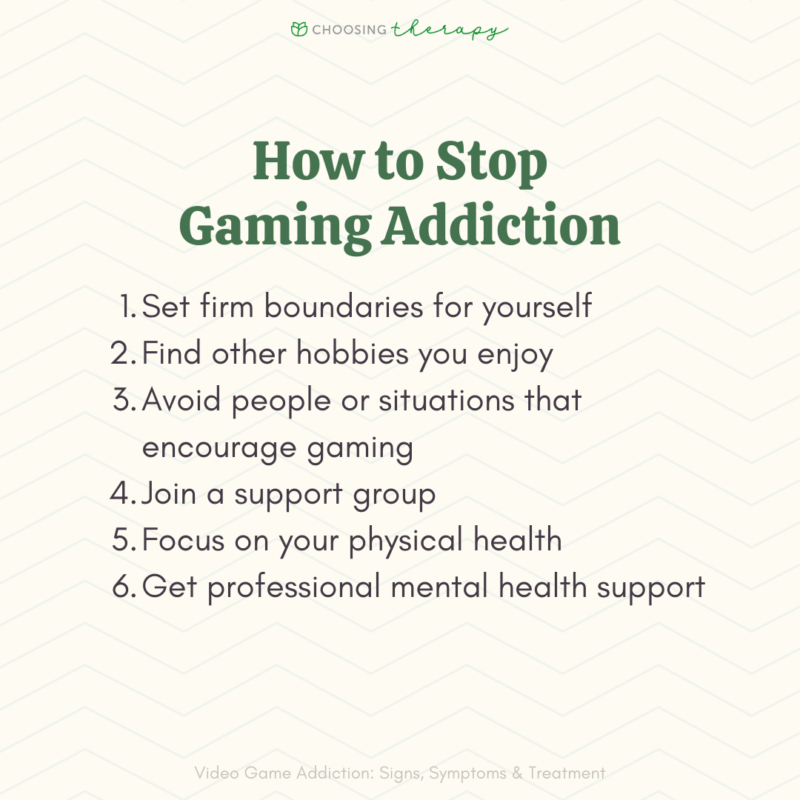
Video Game Addiction Signs Symptoms Treatment 4 800x800 . Gaming Addiction Statistics 2026 Gaming Addiction Statistics 2026 . Video Game Addiction Treatment Centers At Christopher Prior Blog 5 10 1024x1024 . Video Game Addiction Statistics 2026 Video Game Addiction Statistics 2026 . How To Stop Online Gaming Addiction Robots Net Why Online Gaming Is Addictive 1691156422



Gaming Statistics 2025 Mobile PC Console Trends Video Game Addiction Statistics 2025 . Problems Its Types Causes Symptoms Cure What Is Internet Gaming Video Gaming Addiction . Is Gaming Addictive What You Need To Know Video Game Addiction Definition Symptoms Causes Effects And Treatment 1024x576 . Microsoft Lawsuit For Video Game Addiction 2026 Update How Video Game Companies Foster Addiction Mental Disorders And Physical Health Issues . 3 Steps To Prevent Video Game Addiction In Kids And What To Do If


Xbox Addiction The Negative Of Video Game Addiction Explained . Video Game Addiction Definition Symptoms Causes Effects And Treatment The Causes Of Video Game Addiction 1536x720 . Video Game Addiction 11 Signs Symptoms Treatments Video Game Addiciton Graphics 01 Addiction Happens When Gaming Negatively Impacts 1536x768 . Video Game Addiction Symptoms Causes And Treatment The Causes Of Video Game Addiction . Is Gaming Addictive What You Need To Know Overview Of The Microsoft Video Game Addiction Lawsuit


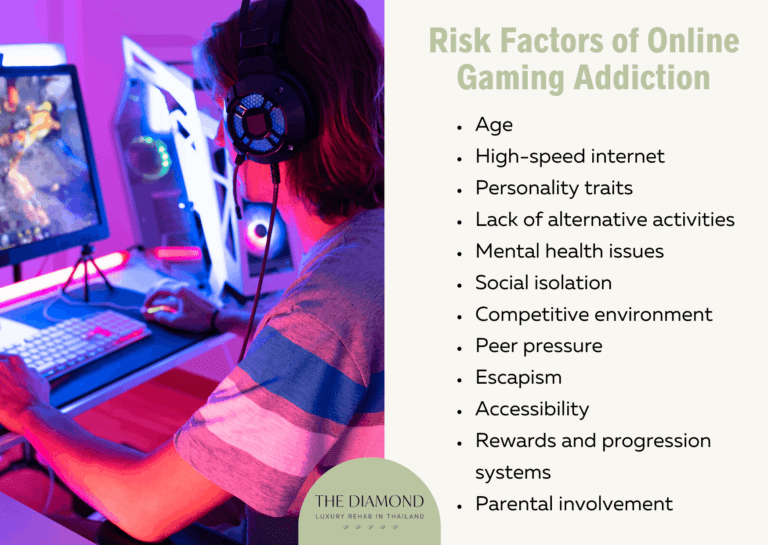
Is Gaming Addictive What You Need To Know Global Gaming Addiction Statistics 2025 . Why Is Gaming Addiction Bad For Your Life Balance What Is Video Game Addiction 1 . EA Games Lawsuit For Addiction And Mental Harm 2026 Update Long Term Effects Of Gaming Addiction And EA Games 1536x864 . Mood Meaning In 2025 Examples Safety Tips Video Game Addiction. Online Gaming Addiction Signs Risk Factors And Treatment The Risk Factors Of Online Gaming Addiction 768x545

Gaming Addiction Signs Effects How To Break Free 2026 Gaming Addiction . How To Get A Job As An Online Gaming Moderator Robots Net How To Stop Online Gaming Addiction 1691150324 . Gaming Addiction Signs Causes Supportive Steps Website Images Podcastblog 600x315 . Video Game Addiction Warning Signs At Virginia Mullins Blog Game Addiction Symptoms And Warning Signs . Video Game Addiction Statistics 2026 Icon Era Statistics Video Game Addiction Statistics 2025

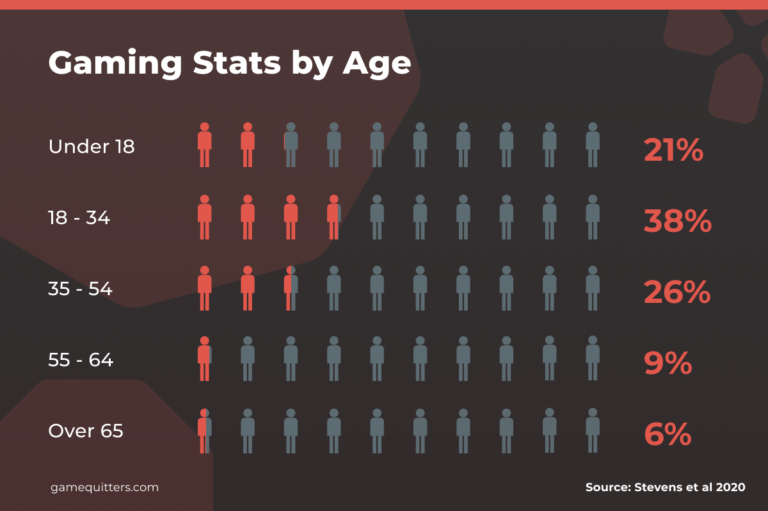
Xbox Addiction Addicted To Video Games WIP 01 1024x536 . 82 Worrying Technology Addiction Statistics 2026 More Than 105.6 Million Gamers Are Addicted To Gaming . Mobile Game Addiction Claims Another Life 22 Year Old Dies Due To PUBG GAMING ADDICTION COVER 1024x576 . Video Game Addiction Statistics Gaming Disorder Internet Gaming Video Game Addiction Statistics . Is Gaming Addictive What You Need To Know Gaming Stats By Age 768x511

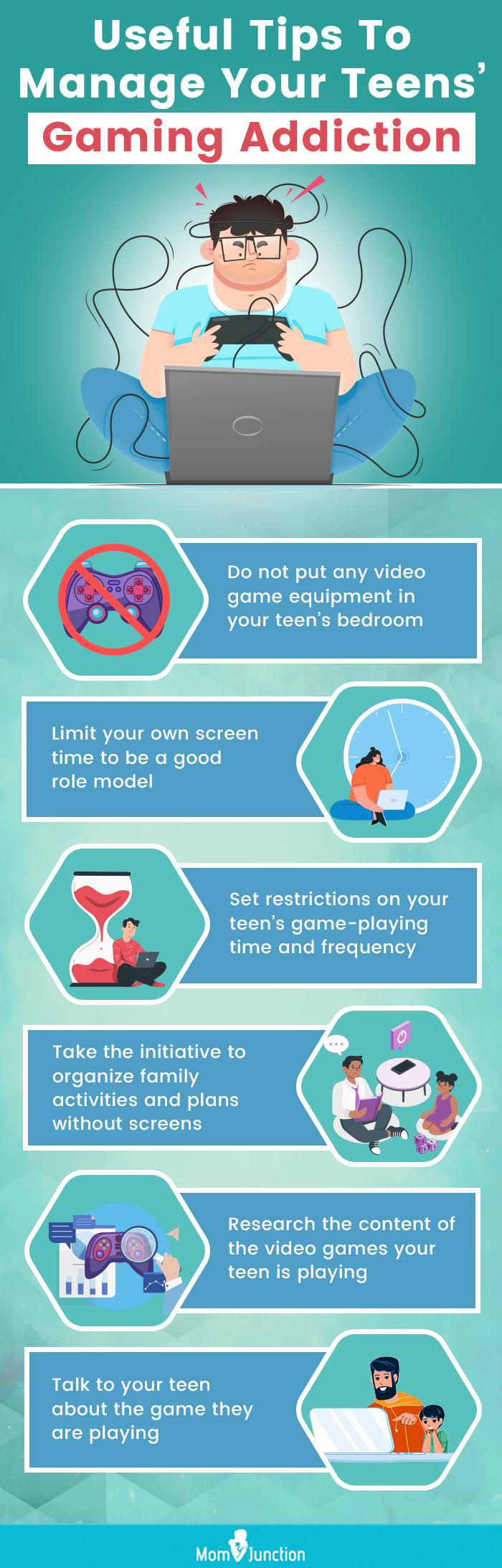
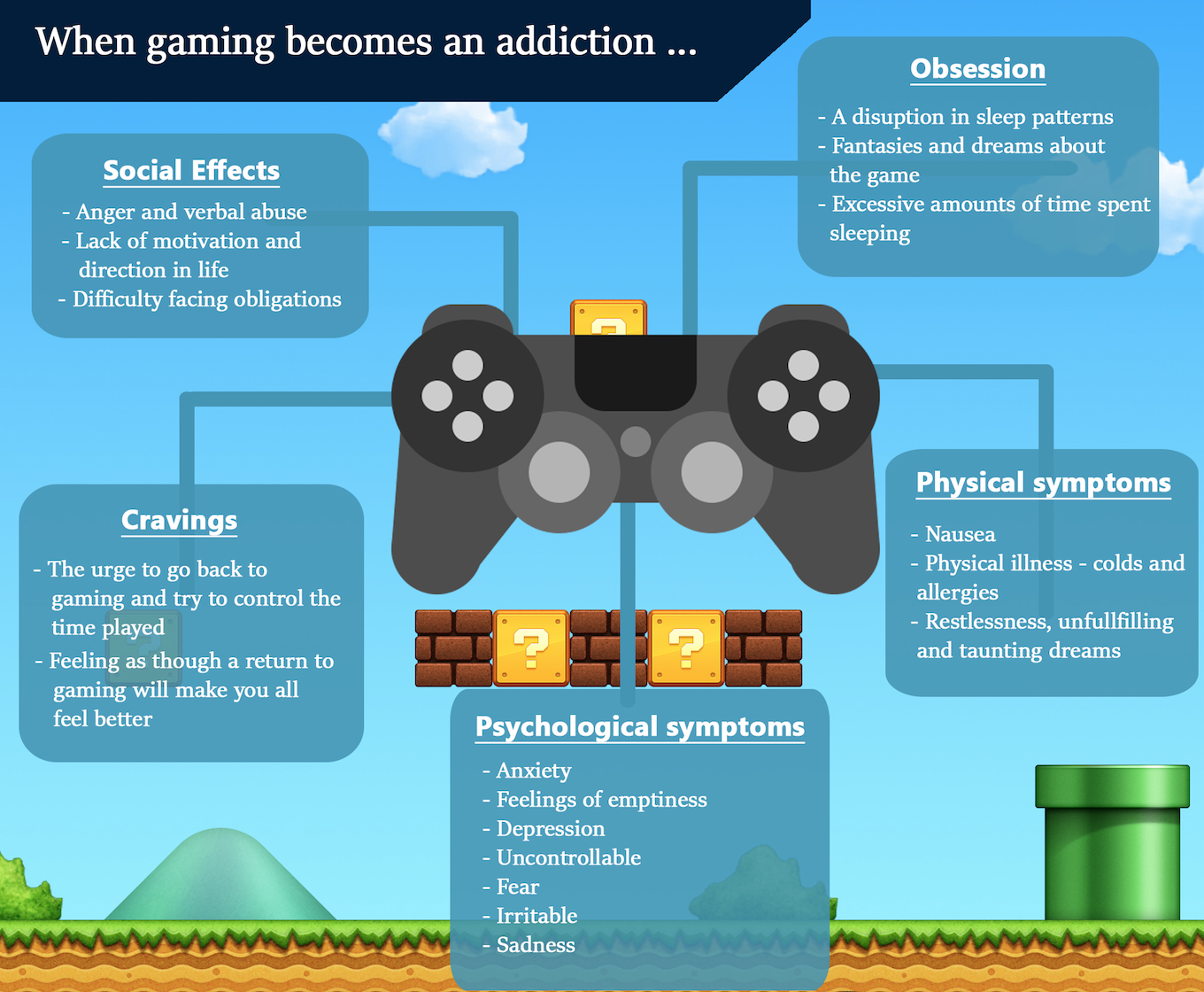
Video Game Addiction Signs Symptoms And How To Get Help Treatment For Gaming Addiction . Positive Effects Of Games Can Video Games Make Us Healthier TLWK Useful Tips To Manage Your Teens Gaming Addiction . 2026 Guide Video Game Addiction Lawsuit Settlement Amounts Video Game Addiction Lawsuit Settlement Amounts 2024 Guide . Video Game Addiction Plagues Teens The Evanstonian Video Game Addiction Infographic . Gaming Addiction Symptoms Tips PDF Video Games 1