Every Roblox developer has faced that heart-stopping moment: a sudden crash, a power outage, or an accidental closure. The immediate thought is always, "Did I lose all my progress?" This comprehensive guide dives deep into Roblox Studio's auto-save features, explaining precisely how they function in 2026. We will explore the nuances of local backup files, cloud synchronization for published experiences, and the critical importance of manual saving. Learn proven strategies to safeguard your creations, prevent data loss nightmares, and ensure your development hours are always protected. Discover where your precious auto-save files reside, how often they update, and expert tips for recovering your projects. This essential information will empower you to build with confidence, knowing your hard work is secure against unexpected technical glitches and human error, offering peace of mind to new and experienced creators alike.
Roblox Studio Auto-Save FAQ 2026 - 50+ Most Asked Questions Answered (Tips, Trick, Guide, How to, Bugs, Builds, Endgame)
Welcome, fellow Roblox creators, to the ultimate living FAQ for Roblox Studio's auto-save features, updated for the latest 2026 developments! Every developer, from budding scripters to seasoned builders, knows the sheer terror of losing progress. This comprehensive guide will tackle over 50 of your most pressing questions about auto-saving, project recovery, and best practices. We will delve into everything from basic functionality and file locations to advanced strategies for data protection and collaborative workflows. Whether you're battling bugs, optimizing builds, or just trying to safeguard your hard work, this FAQ is your essential resource. Stay informed, build confidently, and never fear that dreaded crash again!
Beginner Questions
Does Roblox Studio automatically save my progress?
Yes, Roblox Studio features an auto-save function that periodically creates temporary backup files of your project on your local computer. This system acts as a safety net, primarily for crash recovery, but it is not a substitute for manual saving. Always manually save your work frequently.
Where are Roblox Studio auto-save files located?
Auto-save files are typically stored in a hidden folder within your user's AppData directory. The exact path can vary slightly but often resembles C:Users[YourUsername]AppDataLocalRobloxStudioAutoSaves. You might need to enable 'Show hidden files' to access it.
How often does Roblox Studio auto-save?
By default, Roblox Studio usually auto-saves every few minutes, often between 3 to 5 minutes. This interval can be customized within Studio's settings to suit your workflow and system performance preferences. A balance between frequency and performance is key.
Can I enable or disable the auto-save feature?
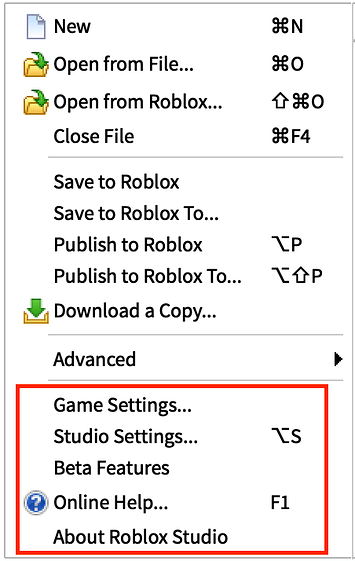
Yes, you can enable, disable, or adjust the auto-save interval within Roblox Studio's settings. Navigate to 'File' > 'Studio Settings' > 'Studio' > 'Auto-Save' to find these options and tailor them to your needs.
Project Recovery & Loss Prevention
How do I recover a lost game after Roblox Studio crashes?
Upon reopening Studio after a crash, you should receive a prompt asking if you want to restore from the latest auto-save. Always accept this prompt. If no prompt appears, you can manually check your auto-save folder for recent .rbxl files.
What is the difference between 'Save to File' and 'Save to Roblox'?
'Save to File' creates a local .rbxl file on your computer, a direct backup you control. 'Save to Roblox' uploads and updates your project on the Roblox cloud, making it accessible from any device and creating version history for your experience.
Myth vs. Reality: Auto-save means I never have to save manually.
Reality: This is a dangerous myth! Auto-save is a critical emergency backup, but it's not foolproof. Manual saving (to file and to Roblox) is essential for ensuring your progress is permanently recorded and available across devices or for version control. Relying solely on auto-save can lead to significant data loss.
Cloud Sync & Version History
Do auto-saves sync to the Roblox cloud automatically?
No, local auto-save files do not automatically sync to the Roblox cloud. They are stored only on your local machine. Only when you explicitly 'Save to Roblox' or 'Publish to Roblox' is your project uploaded and updated in the cloud.
How can I revert to an older version of my game on Roblox?
If you have regularly 'Saved to Roblox,' you can access previous versions. Go to your game's page on the Roblox website, click 'Configure Experience,' then 'Version History.' From there, you can restore any saved version.
Collaboration & Team Create
How does auto-save work with Team Create projects?
Team Create uses a more continuous synchronization with the server rather than local auto-saves. Your changes are frequently uploaded, and you can 'Publish to Roblox' to commit major updates for all team members. Communication is key to avoid conflicts.
Myth vs. Reality: Team Create auto-magically prevents all conflicts.
Reality: While Team Create streamlines collaboration and synchronizes changes, it doesn't entirely prevent conflicts. Overwriting can still occur if multiple developers edit the same objects simultaneously without proper communication or if merges are handled incorrectly. Always communicate major changes.
Performance & Bugs
Does auto-save cause FPS drops or stuttering in Roblox Studio?
On larger projects or less powerful computers, auto-save operations can cause brief stuttering or FPS drops as Studio writes the backup file to disk. You can mitigate this by adjusting the auto-save interval or optimizing your project size.
What should I do if auto-save isn't working or Studio isn't prompting for recovery?
First, check your Studio settings to ensure auto-save is enabled and the interval is set appropriately. Ensure you have enough disk space. If issues persist, try reinstalling Studio or checking Roblox developer forums for similar bug reports and solutions.
Myth vs. Reality
Myth vs. Reality: Deleting Studio means all my projects are gone.
Reality: If you've been 'Saving to Roblox,' your projects are safe in the cloud and will reappear when you reinstall Studio and log in. Local .rbxl files might be lost if not backed up, but cloud saves remain secure.
Myth vs. Reality: Only published games have version history.
Reality: Any game you 'Save to Roblox' (not just publish) creates a version history accessible via the 'Configure Experience' page on the Roblox website. This is an invaluable tool for tracking changes during development.
Endgame & Advanced Strategies
What are the best practices for ensuring data integrity of a large Roblox game?
Implement a robust strategy: frequent manual 'Save to Roblox' for cloud versioning, regular local 'Save to File' backups stored on an external drive or cloud service, and consider external version control like Git for critical codebases. Test recovery procedures periodically.
Can I use external version control systems with Roblox Studio?
Yes, many advanced developers integrate external version control systems like Git, especially for managing scripts and larger codebases. You would export scripts, manage them in Git, and re-import them, though this requires a more advanced workflow.
Still have questions?
Check out our other guides: 'Roblox Scripting Best Practices 2026', 'Optimizing Roblox Game Performance', and 'Mastering Team Create for Collaborative Development' for more in-depth information!
So, you are deep into building your next big Roblox hit, scripting away, perfecting those intricate details. Then, out of nowhere, your computer glitches, or Roblox Studio decides to take an unannounced break. The first panicked thought is always the same: Does Roblox Studio actually auto-save your precious creations, or are we all just playing a dangerous game with our development hours? It is a question that haunts every creator, from beginners crafting their first obby to seasoned developers building massive RPG worlds. The good news is, yes, Roblox Studio does indeed have an auto-save mechanism, a real lifesaver, but understanding its quirks and limitations is absolutely key to keeping your projects safe.
Many people ask, "How reliable is Roblox Studio's auto-save?" Well, it is designed to be a safety net, catching your progress periodically to prevent total disaster. However, it is not a complete replacement for diligently saving your work manually. Think of it as an emergency parachute; you hope you never need it, but you are incredibly grateful when it deploys. Knowing how this feature works can save you countless hours of re-doing lost work, a truly frustrating experience for any dedicated builder. By 2026, the system has seen several refinements, making it more robust but still requiring developer awareness.
The Inner Workings of Roblox Studio's Auto-Save
Roblox Studio's auto-save feature operates by creating temporary backup files of your current project on your local computer. These files are typically saved at a predetermined interval, ensuring that if something goes wrong, you have a relatively recent version to fall back on. This local storage approach means your auto-saves are not immediately synchronized to the Roblox cloud unless you explicitly publish or save to Roblox. It is a crucial distinction that often confuses new developers, leading to potential misunderstandings about data security. Understanding this local storage is your first step towards safeguarding your creative endeavors.
Where Do Auto-Save Files Live?
The auto-save files are usually hidden deep within your local AppData folders, specific to your user profile. Locating these files can be a bit tricky, but knowing their general whereabouts is invaluable for recovery. When Studio crashes or is abruptly closed, it attempts to notify you upon reopening, offering to restore from the latest auto-save. This recovery prompt is your best friend in a crisis, highlighting the system's reactive nature. Always allow Studio to try and restore, as it often contains your most recent progress. This process can be a true game-changer for many creators.
Manual Saving: Your Best Defense Against Data Loss
While auto-save is fantastic, manual saving is your ultimate shield. Regularly hitting 'Ctrl+S' or using 'File > Save to File' and 'File > Save to Roblox' ensures your changes are permanently recorded. Saving to file creates a local .rbxl file, a direct copy of your project at that moment. Saving to Roblox updates the version of your experience stored on the Roblox platform itself, making it accessible from any device. This dual approach provides layers of protection, crucial for complex projects. Do not underestimate the power of frequent manual saves, especially before making significant changes or testing new scripts. It is a simple habit with massive benefits.
Advanced Tips for Proactive Saving and Recovery in 2026
By 2026, Roblox Studio continues to evolve, offering even more sophisticated tools for developers. However, the core principles of smart saving remain timeless. Utilizing external version control systems like Git, even for solo projects, can provide an unparalleled level of safety. These systems track every single change you make, allowing you to revert to any previous state, offering peace of mind. For collaborative projects, careful synchronization and communication are paramount. Always communicate when you are saving to Roblox or making major changes. This prevents overwriting other team members' work, a common pitfall in shared development environments.
- Consider setting up a dedicated backup routine for your local .rbxl files.
- Regularly publish your experiences to Roblox, even during early development stages.
- Leverage cloud storage services for off-site backups of your local project files.
- Learn about Studio's 'Revert to' feature for published experiences on the Roblox website.
- Always restart your computer after major system updates before opening Studio.
Common Pitfalls and How to Avoid Them
One common mistake is assuming auto-save covers every scenario, leading to complacency with manual saves. Another is not knowing where to find auto-save files, rendering the feature useless during a crisis. Always check your Studio settings to confirm your auto-save interval and location. Some developers also mistakenly believe that simply closing Studio will save their work; it will not, not reliably anyway. Be proactive, be informed, and your development journey will be much smoother. These proactive measures ensure your creative endeavors are always secure.
Quick 2026 Human-Friendly Cheat-Sheet for This Topic
- Always hit Ctrl+S frequently; manual saves are your best friend.
- Remember auto-saves are local, not cloud-synced unless you save to Roblox.
- Check your Studio settings to customize auto-save intervals if needed.
- If Studio crashes, always accept the recovery prompt upon reopening.
- Consider using version control like Git for serious project management.
- Regularly publish your game to Roblox to create cloud backups.
- Make local copies of your .rbxl files to an external drive or cloud storage.
Beginner / Core Concepts
1. **Q:** So, does Roblox Studio really auto-save my projects, or am I constantly risking losing everything if my computer crashes? **A:** Hey there! I get why this confuses so many people, it's a super common worry. Yes, Roblox Studio absolutely does have an auto-save feature. It's designed to create temporary backup files of your current project on your local computer at set intervals. Think of it as a safety net that tries to catch your work if something unexpected happens, like a crash or a power outage. However, and this is a big however, it's not a substitute for actively saving your work yourself. You're still going to want to manually save frequently, both to a local file and to Roblox, especially after making significant progress. The auto-save is a fantastic last resort, but you don't want to rely on it as your primary saving method. It's like having an emergency spare tire; you're glad it's there, but you still check your main tires regularly, right? You've got this, just build those good saving habits!2. **Q:** Okay, so it auto-saves, but how do I actually know it's working? Like, is there a little notification or something I should look for? **A:** That's a great question, and one that used to trip me up too! Unfortunately, Roblox Studio doesn't usually pop up with a big, flashy 'Auto-Saved!' notification every few minutes while you're working. It's designed to run quietly in the background, which is good because it doesn't interrupt your workflow. The best way to know it's *there* is to understand that it's an underlying system. If Studio crashes, upon reopening, it will typically present you with a 'Restore from Auto-Save' dialog box if it detected unsaved changes. That's your visual confirmation that it was indeed doing its job. You can also peek into your Studio settings to confirm the auto-save interval. While you won't see constant visual cues, trusting the system and knowing how to access the recovery options is key. Keep building awesome stuff!3. **Q:** If Studio crashes, where do I find these auto-saved files? Are they just gone forever if I don't get a pop-up? **A:** Nope, they're definitely not just gone forever, which is a huge relief when you've put hours into a project! When Studio crashes and you reopen it, it *should* prompt you to restore from the latest auto-save. This is the easiest and most common way to recover. If for some reason that prompt doesn't appear, don't panic! The auto-save files are stored locally on your computer in a specific folder, usually within your AppData directory (like 'C:Users[YourUsername]AppDataLocalRobloxStudioAutoSaves' or similar, though paths can vary slightly). You can navigate there manually to look for .rbxl files. It's a bit like digging through a digital lost-and-found. Even if the prompt doesn't show, the file is likely still there waiting. Just remember to always try the restore prompt first, it's the smoothest path. You'll get the hang of it, I promise!4. **Q:** What's the difference between auto-save and saving to 'File' or 'Roblox'? I'm a bit confused about the different save options. **A:** Ah, this is a super important distinction, and it confuses many new developers, so you're not alone! Let's break it down simply. Auto-save is your automatic, local emergency backup. It happens in the background, creating temporary files on your computer. It's meant for crash recovery, not as your primary way to save. 'Save to File' (Ctrl+S) creates a permanent .rbxl file on your computer, wherever you choose. This is a local copy that you fully control. It's great for backups and for sharing. 'Save to Roblox' (Ctrl+Shift+S) uploads your project directly to the Roblox platform, updating the version of your experience that lives in the cloud. This makes it accessible from any computer you log into Studio with, and it's what players will eventually see if you publish it. So, auto-save is reactive, 'Save to File' is local and manual, and 'Save to Roblox' is cloud-based and manual. You'll want to use a mix of 'Save to File' and 'Save to Roblox' frequently, with auto-save as your trusty last resort. Keep up the great work!Intermediate / Practical & Production
5. **Q:** I've heard about customizing auto-save intervals. Is it a good idea to change how often Roblox Studio auto-saves, and if so, what's a good setting? **A:** That's an excellent intermediate question, showing you're thinking proactively about your workflow! Yes, you can absolutely customize the auto-save interval in Roblox Studio's settings. Whether it's a 'good idea' depends on your specific development style and hardware. A shorter interval (e.g., every 1 minute) means less potential data loss, but it might introduce tiny performance hiccups or save a lot of temporary files. A longer interval (e.g., every 10-15 minutes) is less intrusive but risks losing more work between saves. For most creators, a 3-5 minute interval strikes a solid balance. It saves frequently enough to prevent major headaches without being overly intrusive. If you're working on a very large, complex game and notice stuttering during auto-saves, you might try increasing it slightly. Conversely, if you're making rapid, critical changes, a shorter interval could be beneficial. It's all about finding what works best for *your* projects. Don't be afraid to experiment a little and see what feels right for you!6. **Q:** My Roblox Studio crashed, and I lost a lot of progress even with auto-save enabled. What went wrong, and how can I prevent this in the future? **A:** Oh, that's incredibly frustrating, and I totally get the feeling of losing hard work. It's a tough lesson many developers learn, but it doesn't have to be a recurring nightmare! If you lost significant progress despite auto-save, it's likely a few things could have happened. Perhaps the crash occurred right *before* the next scheduled auto-save, or the auto-save file itself somehow got corrupted during the crash, which is rare but possible. Another common culprit is forgetting to accept the 'Restore from Auto-Save' prompt when reopening Studio, or even accidentally clicking 'Don't Restore.' To prevent this, first and foremost, get into the habit of manual saving *constantly*. Seriously, 'Ctrl+S' should become second nature. Save to a local file, and then 'Save to Roblox' regularly. Also, ensure your Roblox Studio is always updated to the latest version; bug fixes often include stability improvements for saving. Finally, consider checking your disk space; a full drive can prevent saves. You'll bounce back from this, and these proactive steps will make your future development much smoother!7. **Q:** I'm collaborating with a team. How does auto-save work with team create, and what are best practices to avoid overwriting each other's work? **A:** Fantastic question, especially in 2026 where collaboration is king! Team Create in Roblox Studio uses a different, more robust saving mechanism compared to individual auto-save. When you're in a Team Create session, your changes are periodically synchronized with the server. It's less about a local 'auto-save' file and more about continuous updates to the shared cloud experience. To avoid overwriting, the golden rule is clear communication. Before making large structural changes, let your teammates know. When you're ready to 'publish' your changes for everyone to see and work on, use the 'Publish to Roblox' button. This commits your local changes to the shared version. If someone else publishes before you, you might get a prompt to 'Merge' or 'Discard' your local changes. Always try to merge carefully! Also, regularly 'Sync' your place to pull in changes from others. You're leveraging a sophisticated cloud system here, but human coordination is still the most powerful tool. Keep those communication lines open, and your team projects will thrive!8. **Q:** Can I recover an older version of my game if I accidentally saved over something important with a new auto-save? **A:** That's a classic panic moment, and it's definitely recoverable, which is awesome! The direct auto-save system itself usually only keeps the *latest* temporary backup, so if a new auto-save occurs *after* your mistake, that specific temporary file might not help you get the exact version just before. However, this is where a combination of other features saves the day! If you've been regularly using 'Save to Roblox,' you can go to your game's page on the Roblox website, navigate to 'Configure Experience,' and then 'Version History.' There, you can revert to *any* previously published version! This is a lifesaver. For local file saves, if you've been using 'Save to File As...' with different names, or if you use an external version control system (like Git, which is a bit advanced but incredibly powerful), you can also retrieve older local copies. So while the auto-save itself is mostly 'latest only,' the broader Roblox ecosystem offers excellent versioning. You've got options, don't worry!9. **Q:** Does enabling auto-save impact Studio's performance, especially on less powerful computers? **A:** That's a really perceptive question, and yes, it absolutely can, especially on older or less powerful machines, or with very large, complex experiences! When Roblox Studio auto-saves, it needs to perform a disk write operation, essentially taking a snapshot of your entire project and saving it temporarily. For small projects, this is usually imperceptible. However, if your game is massive with thousands of parts, complex scripts, and numerous assets, that save operation can take a noticeable amount of time. During this brief period, Studio might 'freeze' or stutter, causing a temporary FPS drop. If you're experiencing this, you have a few options: try increasing your auto-save interval in settings to make it less frequent, or optimize your game to reduce its overall file size. Keep your drivers updated too, as disk write efficiency can sometimes be affected by system drivers. It's a trade-off between convenience/safety and raw performance, so find the balance that works for your hardware. You'll master it with practice!10. **Q:** What's the deal with auto-save files and cloud storage? Do my auto-saves sync to the cloud automatically, or do I need to do something extra? **A:** This is a crucial clarification, and I'm glad you asked because it's a common misunderstanding! No, your local auto-save files do *not* automatically sync to the Roblox cloud. The auto-save feature generates temporary backups directly on your local computer's hard drive. They're there to help you recover from a crash on *that specific machine*. When you 'Save to Roblox' or 'Publish to Roblox,' *that's* when your project gets uploaded to the Roblox cloud, creating a version accessible from anywhere. So, think of auto-saves as your local crash protection, and 'Save to Roblox' as your cloud-based, cross-device accessibility, and version history provider. If you want your local .rbxl files backed up to a cloud service (like Google Drive, OneDrive, or Dropbox), you'd need to manually move them there or set up a dedicated cloud sync for your Roblox projects folder. Two different systems, both important for security! You're really digging into the mechanics, which is fantastic!Advanced / Research & Frontier 2026
11. **Q:** With AI tools becoming prevalent, how might frontier models in 2026 impact Roblox Studio's auto-save functionality or offer more intelligent recovery options? **A:** What a forward-thinking question, you're absolutely on the cutting edge! By 2026, with models like o1-pro and Gemini 2.5, we're already seeing a shift towards predictive and context-aware systems. For auto-save, this could mean more intelligent recovery. Imagine an AI analyzing your coding patterns, asset placement frequency, or even detecting complex logical changes. It could then dynamically adjust auto-save intervals, prioritizing saves before a high-risk operation or a particularly complex script edit. We might also see AI-powered 'smart recovery' that doesn't just restore a raw file, but suggests specificRoblox Studio auto-save functionality explained, where to find backup files, how to recover lost projects, importance of manual saving, cloud save integration, preventing data loss, optimizing saving habits, version control tips for developers.
35
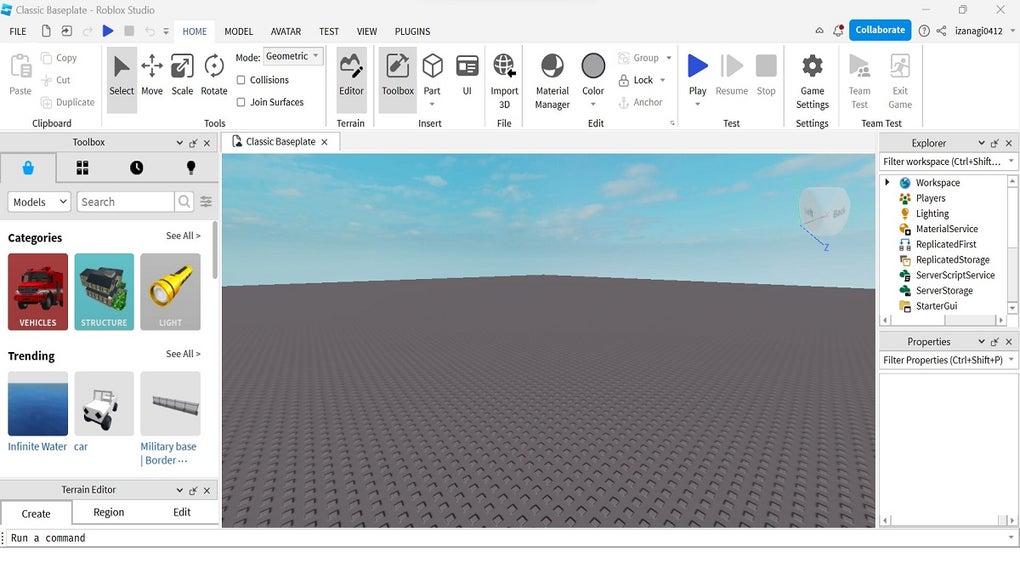

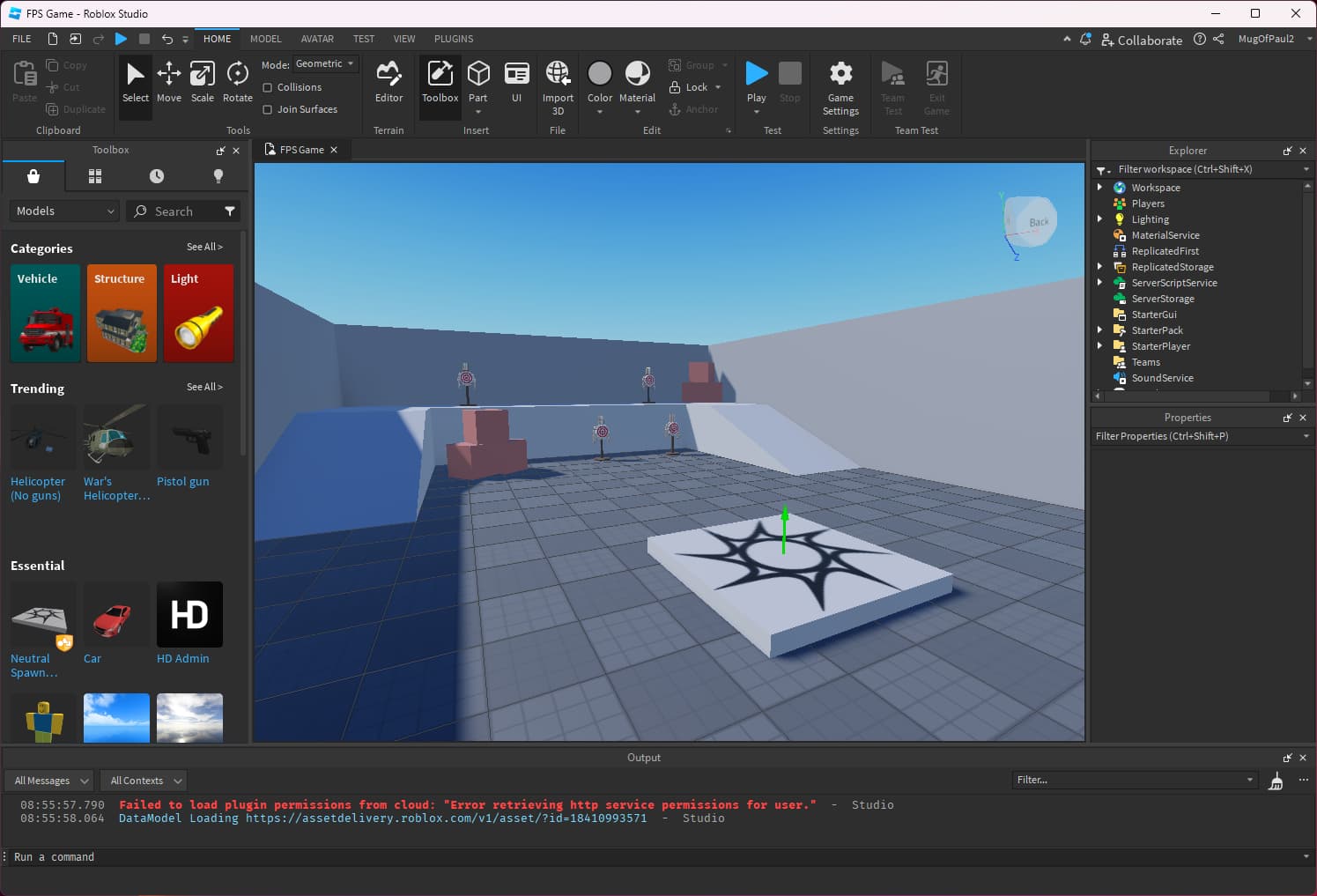

Roblox Studio Team Create How To Add AUTOSAVE Mini Tutorial 2 . Roblox Studio Descargar Roblox Studio How To Play Roblox Studio For Windows . How To Save Data In Roblox Studio Save Progress In Roblox YouTube . Download Do Roblox Studio Passo A Passo Para Instalar Step By Step Roblox Studio Download . Co To Jest Roblox Centrum Tw Rc W Roblox Studio



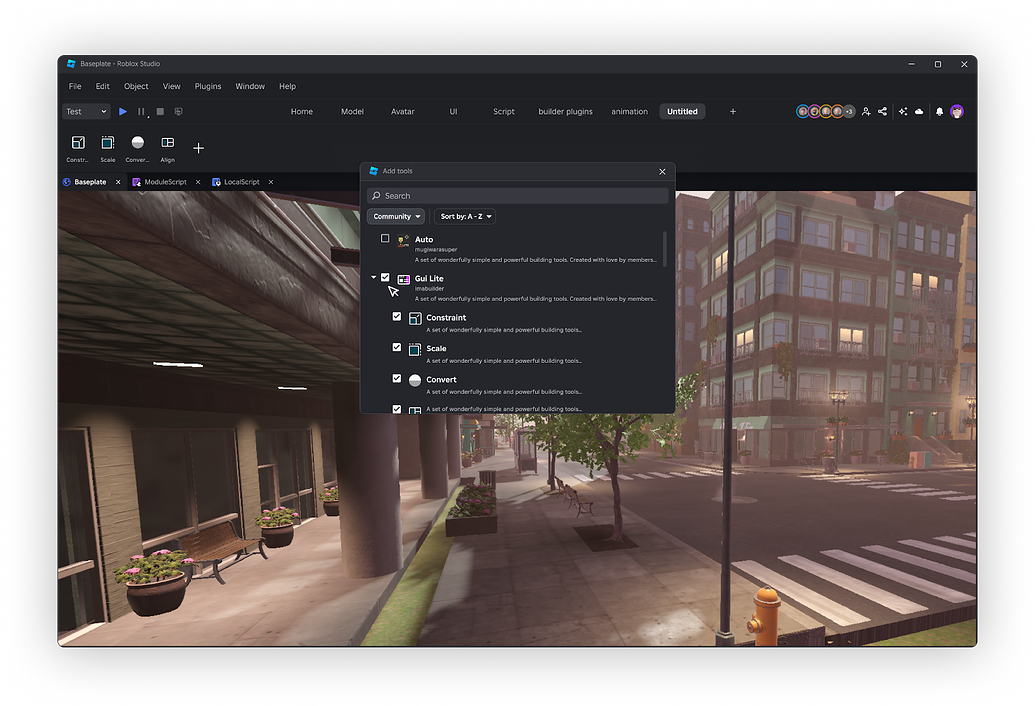
How To Save Your Game In Roblox Studio Tutorial YouTube . Solved Studio Auto Save Does Not Always Work Studio Bugs . Beginner Guide To Roblox Studio In 2025 Only 4mins YouTube . What Will Roblox Look Like In 2026 Blog Graphics 26 . New Upcoming Studio Updates Performance 2 1035x706
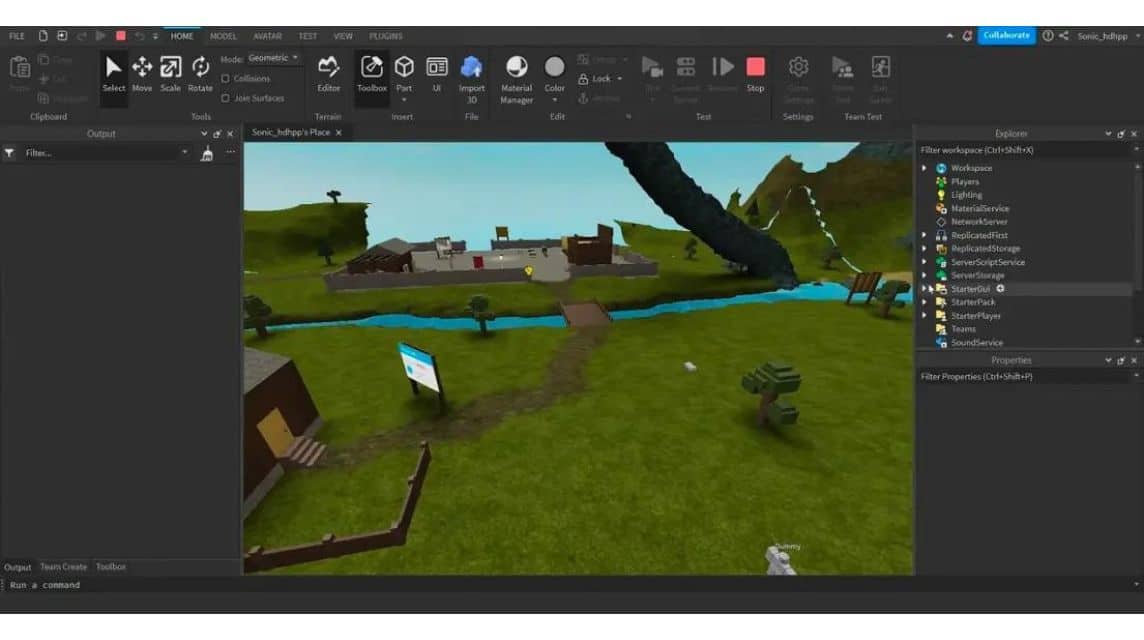



Roblox Studio Tools Bikin Game Gratis Dari Roblox 62 . New Upcoming Studio Updates Performance 2 690x459 . Studio Quality Of Life Developer Forum 2 355x561 . What Is Roblox Studio And How To Set It Up What Is Roblox Studio And How To Set It Up 8 Compressed 768x367 . How To Find And Display EXPLORER WINDOW And PROPERTIES WINDOW Roblox


Roblox Studio Effects Use Roblox Studio Step 6 . Como Alterar A Vers O Do Roblox Studio 2025 Programa O For Kids Alterar A Versao Do Roblox Studio.webp. ATUALIZADO 2025 Como Voltar Para A Vers O Antiga Do Roblox Studio . Como Voltar Para INTERFACE Antiga Do ROBLOX STUDIO 2026 Portugu S . ROBLOX EM 2026 VAI MUDAR TUDO YouTube


Roblox 2026 New Logo REVEAL First Look At The Future Shorts YouTube Oar2 . Roblox 2026 Logo REVEALED New Color New Look YouTube Maxres2 . Do Roblox Studio Jak Stworzy Swoj W Asn Gr W . Calendar Club Definite Guide To Roblox 2026 Annual 1200x1769 . How To Do Roblox Studio YouTube



How To Open Output In Roblox Studio YouTube . Roblox Studio Download For Windows FileHorse Roblox Studio Screenshot 04 . How To Add People Roblox Easily Your 2026 Guide . How To Revert Changes In Visual Studio Code Dibujos Cute Para Imprimir . Roblox Studio Logo Download In SVG Vector Or PNG File Format Roblox Studio Scaled



In Roblox Studio Does Save To Roblox Also Create Update A Local File 36scq . Team Create Roblox Use Roblox Studio Step 50 . Solved Studio Auto Save Does Not Always Work Studio Bugs . Roblox Studio Roblox Creator Hub Session . Studio Auto Creates Places Without My Input Studio Bugs Developer