Ever wondered where Nepal truly sits on the grand global stage? It's a landlocked nation nestled in the Himalayas, a country that often sparks curiosity due to its unique geographical position and incredible natural beauty. This article provides comprehensive navigational and informational insights into Nepal's location on the world map, exploring its borders, its towering peaks, and the cultural tapestry it offers. We'll dive into how its unique placement influences everything from its climate to its rich history and vibrant traditions. Discover key facts about its strategic location between two giant neighbors, India and China, and understand why this small but mighty country holds such significant global interest. This guide aims to resolve common queries and provide a detailed understanding of Nepal's place in the world.
Latest Most Questions About Nepal on the World Map
Welcome to our ultimate living FAQ about Nepal’s position on the world map, updated for the latest insights and trending queries! We've noticed a lot of curiosity about this incredible country, and we're here to resolve your questions and provide clear, concise answers. From its unique geographical placement to its profound global significance, we've got you covered. This section aims to be your go-to guide for everything you need to know, delving into the specifics of why Nepal is such a special place.
Understanding Nepal's Location and Borders
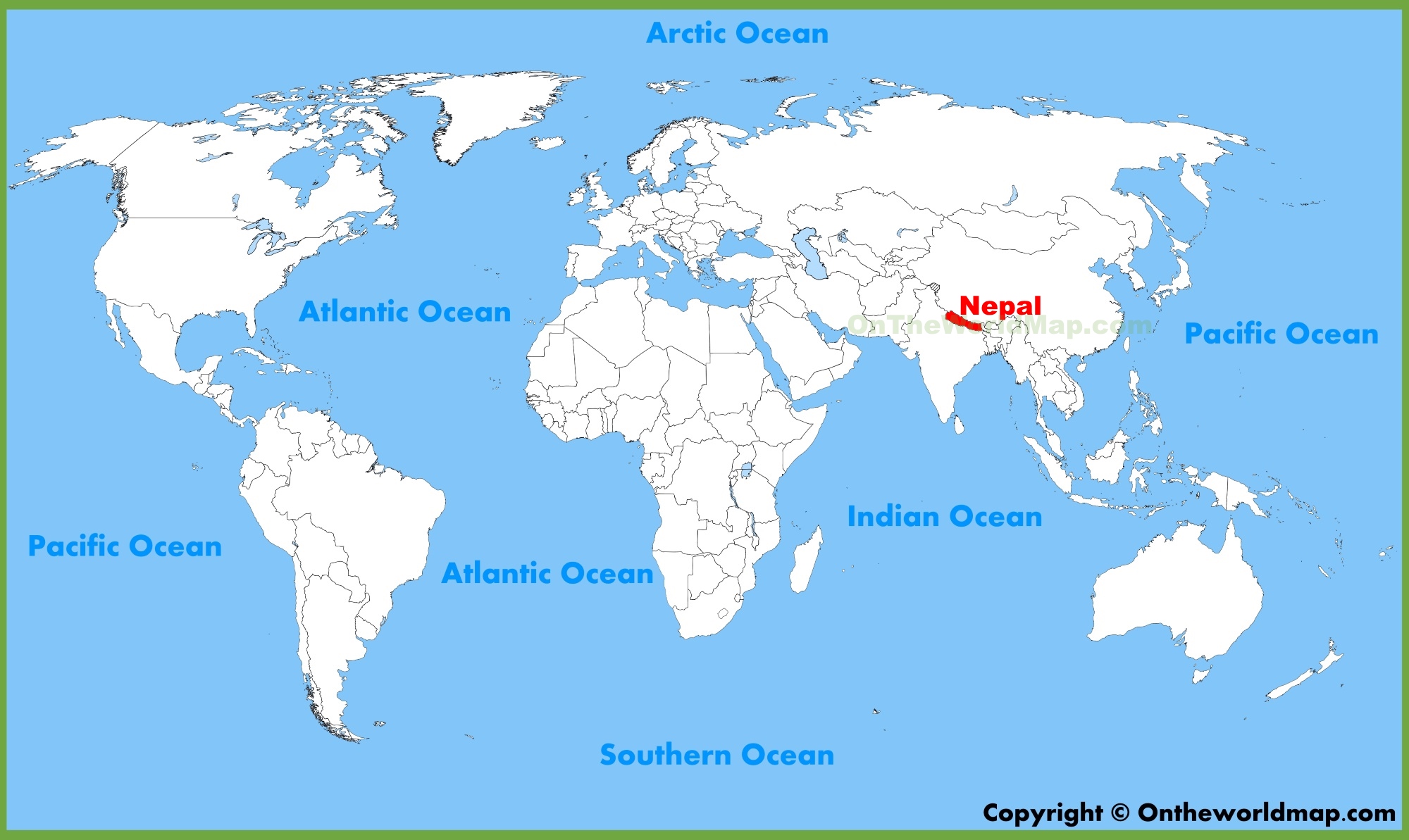
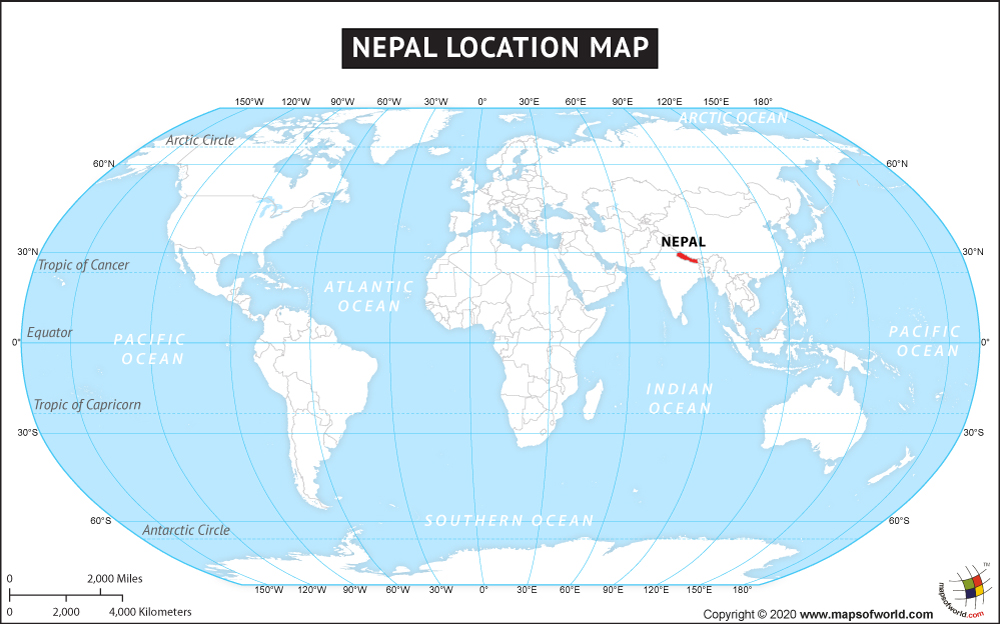
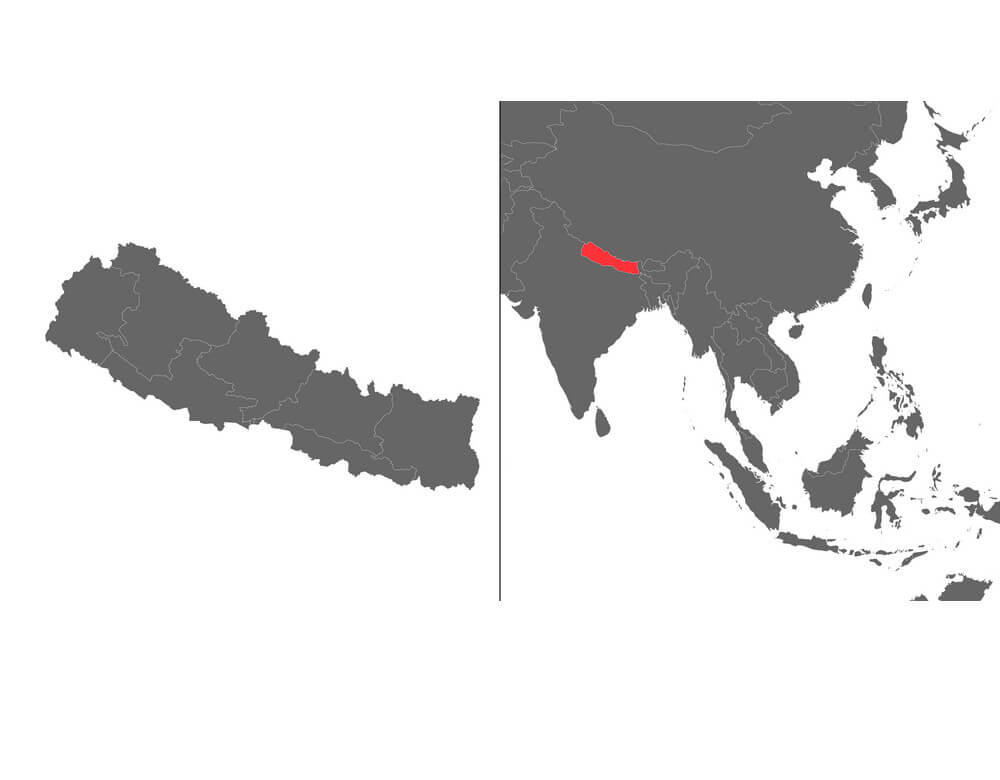
Where exactly is Nepal located on the world map?
Nepal is a landlocked country situated in South Asia, nestled within the Himalayan mountain range. It lies specifically between India to its south, east, and west, and the Tibet Autonomous Region of China to its north. This unique position makes it a strategic buffer state with incredible geographical diversity.
What countries border Nepal?
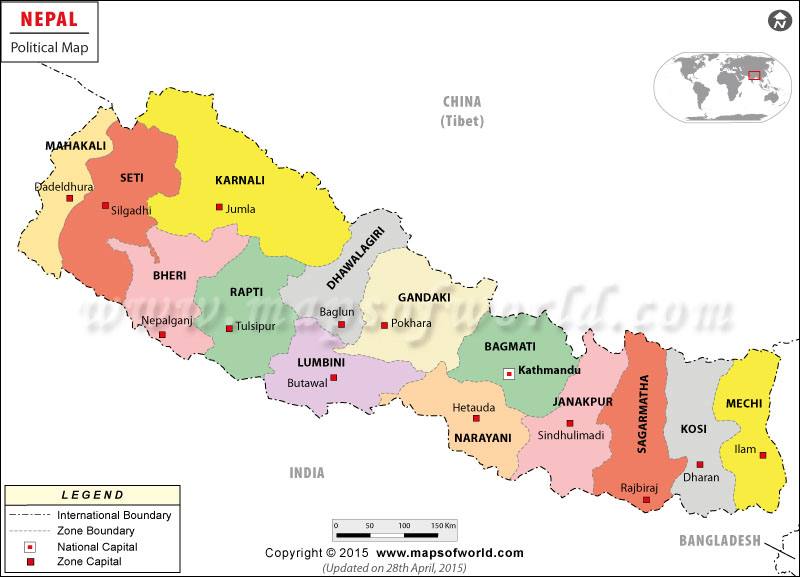
Nepal shares its borders with two prominent Asian nations. To the south, east, and west, it borders India, while to the north, it shares a mountainous frontier with China. These extensive borders have profoundly shaped Nepal's history, culture, economy, and geopolitical relationships, influencing everything from trade to migration.
Is Nepal part of India or China?
No, Nepal is an independent sovereign country. It has never been colonized by either India or China, maintaining its own distinct identity, government, and cultural heritage. Its strategic location, however, means it has strong diplomatic, economic, and cultural ties with both neighboring giants.
Nepal's Geographical Features and Significance
What is Nepal most famous for geographically?
Nepal is most famous for being home to Mount Everest, the world's highest peak, along with seven other of the world's ten highest mountains. Its dramatic topography also includes deep river gorges, lush Terai plains, and the middle hills, creating an unparalleled landscape for adventure tourism and scientific study.
How does being landlocked affect Nepal?
Being landlocked significantly impacts Nepal's economy and trade, as it lacks direct access to the sea for international shipping. This necessitates reliance on transit routes through India, influencing import/export costs and logistical challenges. However, it also fosters strong regional cooperation efforts and encourages diverse internal development strategies.
What are the major geographical regions of Nepal?
Nepal is broadly divided into three main geographical regions running east to west: the Terai Region (southern plains), the Hilly Region (central hills and valleys), and the Himalayan Region (northern mountains). Each region boasts distinct climates, ecosystems, and cultural groups, contributing to Nepal's rich biodiversity and unique heritage.
Nepal in the Global Context
What is Nepal’s role in global climate change discussions?
Nepal plays a crucial role in global climate change discussions as it is highly vulnerable to its impacts, particularly glacial melt in the Himalayas. The country actively advocates for stronger international climate action and seeks support for adaptation and mitigation projects. Its experiences offer vital insights into the effects of global warming on fragile mountain ecosystems.
Does Nepal have any UNESCO World Heritage Sites?
Yes, Nepal is home to several UNESCO World Heritage Sites, reflecting its rich cultural and natural heritage. These include the Kathmandu Valley (with its seven monument zones), Sagarmatha National Park (home to Mount Everest), and Chitwan National Park (renowned for its wildlife). These sites attract global attention and are crucial for preserving world heritage.
How important is tourism to Nepal’s economy?
Tourism is critically important to Nepal’s economy, serving as a major source of foreign exchange and employment. It attracts millions of visitors annually, drawn by trekking, mountaineering, cultural tours, and spiritual journeys. The industry supports countless livelihoods and plays a vital role in showcasing Nepal's unique identity to the world.
Still have questions?
We hope this comprehensive FAQ has helped resolve your queries about Nepal's place on the world map! What exactly are you trying to achieve?
How can I learn more about Nepal's diverse cultures?
To learn more about Nepal's diverse cultures, you should explore resources on its various ethnic groups like the Newars, Sherpas, Gurungs, and Tharus. Reading about their unique festivals, languages, and traditional practices, or even visiting cultural museums in Kathmandu, can provide deep insights. Consider watching documentaries or travel vlogs that highlight Nepal's incredible cultural tapestry.
Honestly, when you look at a world map, have you ever really paused to think about where Nepal is? And what makes this little Himalayan nation so incredibly special? People often ask, "Where exactly is Nepal located on the world map?" It’s a question that, I think, opens up a fascinating journey into geography, culture, and pure natural wonder. Nepal isn't just a dot; it's a strategically significant country.
This amazing landlocked nation is tucked away right in South Asia, beautifully sandwiched between two of the world’s most populous giants, India and China. Its location is truly distinct, running along the majestic Himalayan mountain range, which, as you probably know, includes the world’s highest peak, Mount Everest. So, it's pretty clear, Nepal’s geography is a huge part of its identity and global appeal, drawing explorers and spiritual seekers alike.
Nepal’s Unique Geographical Footprint and Its Neighbors
Nepal’s position on the world map is absolutely fascinating, carving out its own space amidst colossal landmasses. It’s a country that, despite its size, possesses an unparalleled geographical diversity, which is quite remarkable. This geographical setup significantly impacts its climate, its culture, and even its economic development, shaping the lives of millions.
Its unique elongated shape stretches approximately 800 kilometers (497 miles) from east to west and about 200 kilometers (124 miles) from north to south. This gives it a diverse range of altitudes and climates within a relatively small area. From the humid plains of the Terai to the icy peaks of the Himalayas, Nepal is a land of extremes and incredible natural beauty. It’s a place where you can experience scorching heat and freezing cold within a few hours' drive.
Bordering Giants: India and China’s Influence
Understanding Nepal’s neighbors is key to comprehending its geopolitical significance and cultural exchanges. To the south, east, and west, Nepal shares an extensive border with India, creating deep historical and cultural ties. This shared border facilitates significant trade and migration, making their relationship multifaceted and dynamic.
To the north, Nepal borders the Tibet Autonomous Region of China, a boundary that mostly runs along the towering crest of the Himalayan range. This northern border is less permeable due to the extreme terrain, but it holds immense strategic importance. The relationship with both these powerful neighbors is a delicate balance, influencing Nepal's foreign policy and economic initiatives profoundly. These border dynamics are essential to consider when discussing Nepal on the world map.
The Himalayan Heart: Where Peaks Pierce the Sky
When people think of Nepal, they usually picture the towering Himalayas, and honestly, that’s for good reason. Nepal is home to eight of the world’s ten highest peaks, including the iconic Mount Everest, known locally as Sagarmatha. This incredible mountain range dominates the northern landscape, forming a natural barrier and a source of immense natural resources. The sheer scale of these mountains is truly breathtaking.
The presence of these mighty mountains isn’t just about stunning views; it profoundly influences Nepal's climate, creating distinct ecological zones. It's also a spiritual hub for many, drawing pilgrims and adventurers from across the globe. The Himalayas are not just mountains; they are a way of life and a source of national pride, deeply embedded in the country's identity. You could say they are Nepal's defining feature on any world map.
Cultural Tapestry Woven into Geography
The geography of Nepal, I’ve found, isn't just about physical features; it has deeply shaped its incredible cultural diversity and historical narrative. The varied terrains, from the flat plains to the high mountains, have allowed distinct ethnic groups to flourish, each with their own unique traditions, languages, and festivals. It's like a living museum of human heritage, all concentrated in one place.
This geographic isolation, particularly in the mountainous regions, has also helped preserve ancient customs and beliefs, providing a rich cultural experience for anyone visiting or studying the country. So, when you look at Nepal on a map, remember that behind those borders lies a vibrant mosaic of traditions, continuously evolving yet deeply rooted. It's a place where history feels alive.
A Land of Ancient Kingdoms and Timeless Traditions
Nepal boasts a history that dates back millennia, marked by various powerful kingdoms and dynasties that left an indelible mark on its cultural landscape. Kathmandu Valley, for instance, is a UNESCO World Heritage Site, filled with ancient temples, stupas, and palaces that tell stories of bygone eras. These sites are not just tourist attractions; they are active places of worship and community life. You'll find a spiritual energy that is truly palpable.
The country's relatively uninterrupted sovereignty, unlike many of its South Asian neighbors, has allowed it to maintain a unique cultural identity, largely untouched by direct colonial rule. This independence has fostered a strong sense of national pride and a rich preservation of traditional arts, music, and ceremonies. It's truly fascinating to see how these traditions continue to thrive in modern times.
Biodiversity Hotspot: Nature’s Abundance
Beyond the mountains, Nepal is a recognized biodiversity hotspot, boasting an incredible array of flora and fauna. The diverse climatic zones, ranging from subtropical jungles in the Terai to alpine deserts in the high Himalayas, support an astonishing variety of ecosystems. This makes it a crucial area for conservation efforts worldwide, protecting species found nowhere else. It's a real treasure trove for naturalists.
For example, the Terai region is home to endangered species like the Bengal tiger and one-horned rhinoceros, while the higher altitudes host elusive snow leopards and vibrant rhododendron forests. This rich natural heritage contributes significantly to its global importance and makes it a prime destination for eco-tourism. Protecting this natural beauty is a massive undertaking, but it's vital for the planet.
Nepal’s Role in the Global Context: Beyond its Borders
Honestly, you might not think about it much, but Nepal’s geographical position gives it a significant role in various global contexts, from environmental issues to international relations. It’s not just a country; it’s a player on the global stage, influencing discussions on climate change and regional stability. Its unique challenges and contributions resonate far beyond its physical boundaries, impacting the entire region. The world really does pay attention to what happens here.
Its status as a landlocked developing country also presents unique challenges, particularly concerning trade and access to sea routes, which often requires reliance on its neighbors. This dependency shapes its economic policies and international agreements, making diplomacy extremely important. But despite these challenges, Nepal consistently participates in global forums, advocating for peace and sustainable development. It's a testament to its resilience.
Tourism: A Window to the World
Tourism is undeniably a cornerstone of Nepal’s economy, drawing millions of visitors eager to explore its natural wonders and cultural heritage. From high-altitude trekking in the Everest region to spiritual journeys in Lumbini, the birthplace of Buddha, Nepal offers an unparalleled array of experiences. This influx of tourists, I think, creates crucial economic opportunities for local communities. It really connects Nepal to the rest of the world.
The industry not only generates revenue but also fosters cross-cultural understanding and appreciation, promoting Nepal's unique identity on the world map. However, managing tourism sustainably is a critical challenge, ensuring that the environment and local cultures are preserved for future generations. It’s a delicate balance, but one that is absolutely essential for the country’s long-term health and prosperity.
Climate Change: A Himalayan Warning
The Himalayas, being the world’s third-largest store of ice and snow, are incredibly vulnerable to the impacts of climate change, making Nepal a frontline state in this global crisis. Glacier melt, erratic weather patterns, and increased natural disasters directly affect the lives and livelihoods of millions in Nepal and downstream countries. It's a harsh reality that can't be ignored. I know it can be frustrating to think about, but it's so important.
Nepal actively participates in international climate change forums, advocating for global action and seeking support for adaptation and mitigation efforts. The fate of the Himalayan glaciers has far-reaching implications, not just for Nepal but for the entire South Asian region, affecting water resources and food security. So, Nepal's location on the world map makes it a crucial voice in this critical global discussion. Its experiences serve as a stark warning to us all.
The Future of Nepal on the World Map
Looking ahead, Nepal is continually striving to enhance its global presence and overcome the inherent challenges of its geographical location. The country is investing in infrastructure, promoting sustainable development, and strengthening its diplomatic ties with a wider range of international partners. It's all about navigating its unique position to its best advantage, honestly. There's a lot of potential.
Its strategic importance, cultural richness, and natural beauty ensure that Nepal will remain a fascinating and significant player on the world map for years to come. The resilience and spirit of its people are truly inspiring as they work towards a prosperous and sustainable future. This commitment to progress, I think, is something we can all admire. It really shows what's possible.
- **Digital Connectivity:** Expanding internet access to even remote villages, bridging geographical divides and connecting people globally.
- **Infrastructure Development:** Building better roads, airports, and hydro-power projects to improve connectivity and economic growth.
- **Regional Cooperation:** Engaging with SAARC and BIMSTEC to foster trade, tourism, and diplomatic relations with neighboring countries.
- **Harnessing Hydropower:** Leveraging its vast water resources for clean energy production, potentially becoming a net exporter of electricity.
- **Preserving Cultural Heritage:** Continued efforts to protect and promote its UNESCO sites and diverse traditions, attracting global interest.
- **Sustainable Tourism:** Developing eco-friendly tourism practices to protect its pristine environment and unique biodiversity.
Nepal's unique landlocked location between India and China; home to Mount Everest; diverse geography from Terai plains to Himalayan peaks; rich cultural heritage; key for Himalayan biodiversity; strategic South Asian position; popular adventure tourism destination.



Nepal Maps Facts World Atlas Np 02 . Nepal Location On The World Map Nepal Location Map . World Map Nepal Location Of Nepal On The World Map With Enlarged Map Of Nepal With Flag Vector Template For Your Design 2FX9WRJ . Nepal World Maps Nepal World Map . World Map Showing Nepal Ou Se Trouve Le Nepal XUIDDG World Map Nepal Neighboring Countries Cities Taiwan Political Background Blur Image 393912848


Nepal On The World Map A Himalayan Gem Nepal On World Globe With Flag And Regional Map Vector 30315561 . Futuristic World Map Nepal Stock Photo Download Image Now Abstract Futuristic World Map Nepal . Incredible World Map Nepal Location Ceremony World Map With Major Nepal In World Map . Nepal On World Globe Flag Regional Stock Vector Royalty Free Stock Vector Nepal On World Globe With Flag And Regional Map Of Nepal Vector 481846438 . Nepal Located World Map 1000 F 273647075


4 097 Nepal World Map Images Stock Photos Vectors Stock Vector A Map Of The World With The Selected Country Of Nepal 678822796 . Nepal Located World Map Nepal Map . World Map Napal Nepal Surrounding Coutries . World Map Centered On Nepal Red Country Highlighted Satellite World World Map Centered On Nepal Red Country Highlighted Satellite World View Centered On The Country With Name Vector 2PE2X67 . Zoom On Nepal Map And Flag World Map 10236117 Vector Art At Vecteezy Zoom On Nepal Map And Flag World Map Vector



Nepal Map Discover The Location Of Nepal In The World . Nepal Highlighted On A White Simplified 3D World Map Digital 3D Render Nepal Highlighted On A White Simplified 3d World Map Digital 3d Render 2CGJH7D . Nepal Location In World Map Nepal Location Map . Nepal World Maps Printable Nepal World Map . Nepal Detailed Blue Country Map With Cities Regions Location On Nepal Detailed Blue Country Map Cities Regions Location World Globe Infographic Icons Vector 341592367


Vector Map Of Nepal Country Map With Division Cities And Capital 1000 F 268692852 . Nepal Detailed Map With Regions And Cities Set Of Flags Globe Country Nepal Detailed Map With Regions And Cities Set Of Flags Globe Country Outline Country . Nepal On Detailed World Map Overlay Stock Vector Royalty Free Stock Vector Nepal On Detailed World Map With Overlay Nepal Flag The Location Of The Country Of Nepal On The 1624761772 . World Map Nepal Nepal On World Map Vector . Nepal World Maps 1000 F 356973890




Nepal Map Political Map Of Nepal 1024x796 . Nepal Location Nepal . Nepal Major Cities Map Nepal Political Map . Nepal Map Animation With World Country Map YouTube . Nepal Travel Guide 2026 The Ultimate Guide To Exploring The Heart 1024x683


Map Of The World In 2026 In My Parallel Universe By Map Of The World In 2026 In My Parallel Universe By Dgcslsz Pre . Close Up To Nepal Political Map With Country Frontiers Stock Photo Close Up To Nepal Political Map Country Frontiers Close Up To Nepal Political Map Country Frontiers Most Importants 331721444 . Flag Of Nepal And Location On World Map Stock Download Flag Of Nepal And Location On World Map . Nepal Map And Nepal Satellite Image Map Of Nepal World . Location Of Nepal On The World Map With Enlarged Map Of Nepal With Flag Location Of Nepal On The World Map With Enlarged Map Of Nepal With Flag Vector